Role: Instructor
Design Technologies
This introductory design technologies course examines how contemporary graphic design practice is shaped through collaboration, experimentation, and production across evolving digital and material tools. Structured around the phases of collaborate, explore, and produce, the course encourages students to critically engage technologies not simply as software or outputs, but as systems that influence process, communication, ethics, and decision-making within design practice.
Rather than centering large-scale projects, the course emphasizes weekly encounters with new tools, concepts, terminology, and making activities that expose students to a wide range of contemporary design practices. Through readings, discussions, collaborative exercises, critical making prompts, and iterative experiments, students develop adaptable workflows while learning how to navigate unfamiliar technologies with curiosity and reflection. Activities encourage students to document process, engage peer feedback, and evaluate how technologies shape participation, accessibility, and creative outcomes across different contexts.
Students were also encouraged to think beyond the individual artifact by considering how their work was presented, organized, and communicated. In addition to designing outcomes, emphasis was placed on designing the documents, systems, and visual structures that framed their process and supported the communication of ideas.
Collectively, the course introduces students to contemporary graphic design praxis while cultivating technological adaptability, critical thinking, and self-directed learning. Instruction is grounded in a pedagogical approach that views technology not as neutral, but as something to be questioned, tested, and intentionally deployed within specific social, cultural, and creative environments.
Acknowledgement: This course was originally developed by Dr. Dori Griffin, professor at the University of Florida. In my role as instructor, I taught the course while actively adapting and evolving the curriculum, drawing on my own pedagogical practice, research, and classroom experimentation.
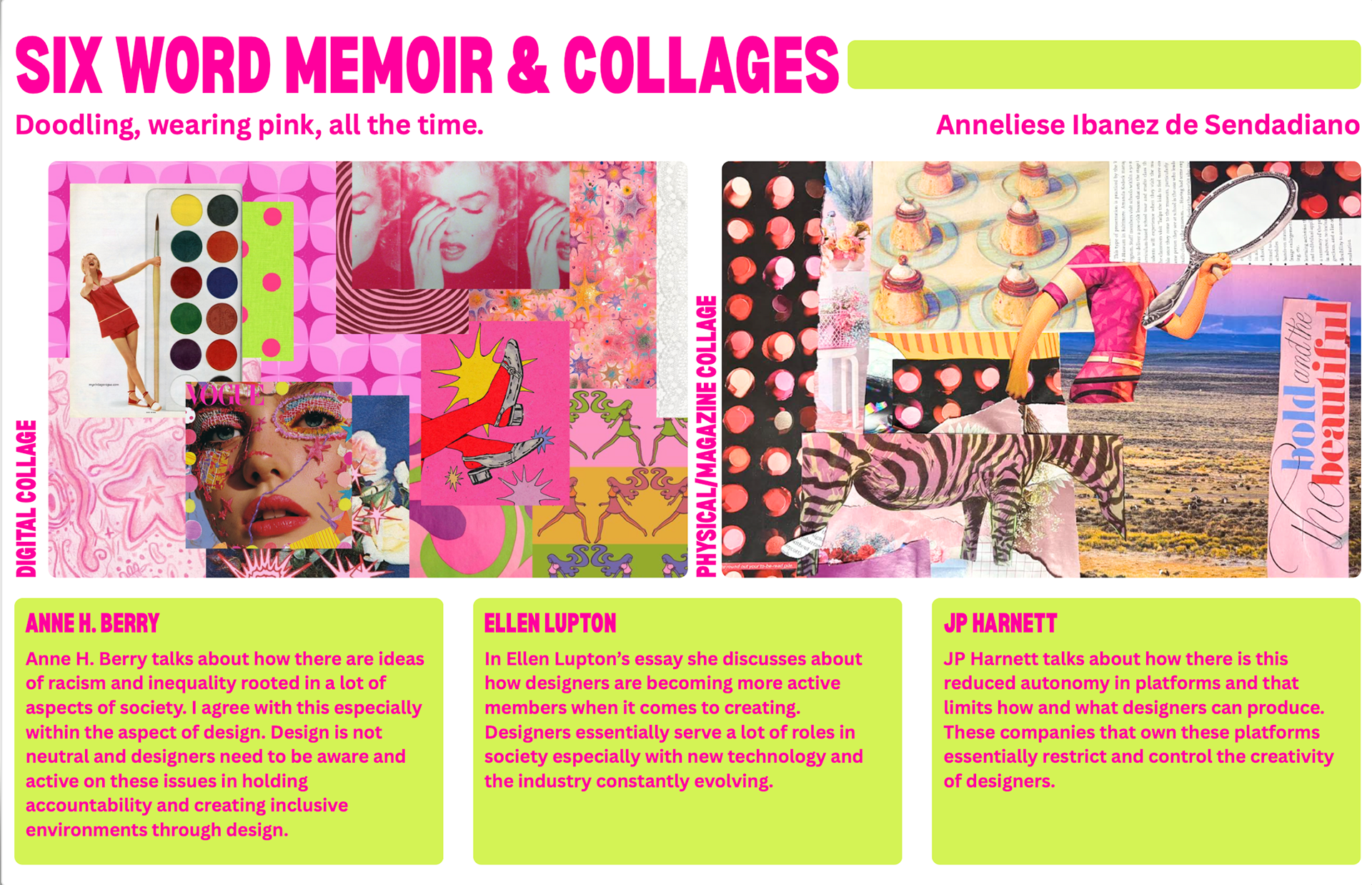
Six Word Memoir & Collage
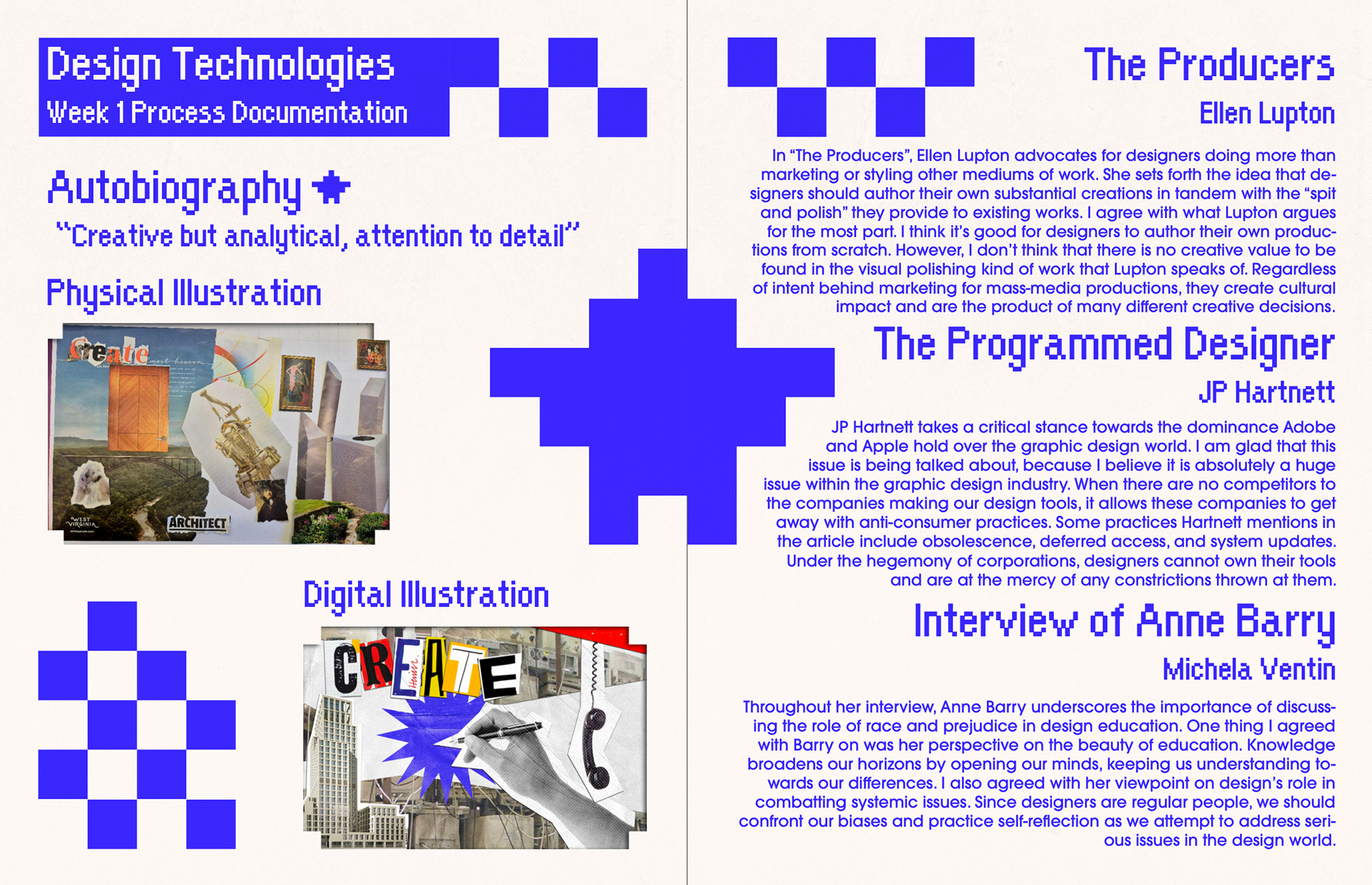
Students designed a single PDF document that functioned both as a container for their work and as a designed artifact itself. Alongside choosing typefaces, colors, layout systems, and page structures, students included an autobiographical reflection, two illustrations (with optional AI-generated imagery), and written responses to weekly readings exploring design, technology, and authorship.
Readings included Anne Barry’s reflections on why and how humans design, Ellen Lupton’s discussion of designers as producers of meaning and systems, and JP Hartnett’s examination of how digital tools shape and “program” contemporary design practice. The assignment introduced students to the relationship between content and presentation, encouraging them to think critically about how visual structure, typography, and formatting influence the communication of ideas.
Collaborative Research & App Design Sprint
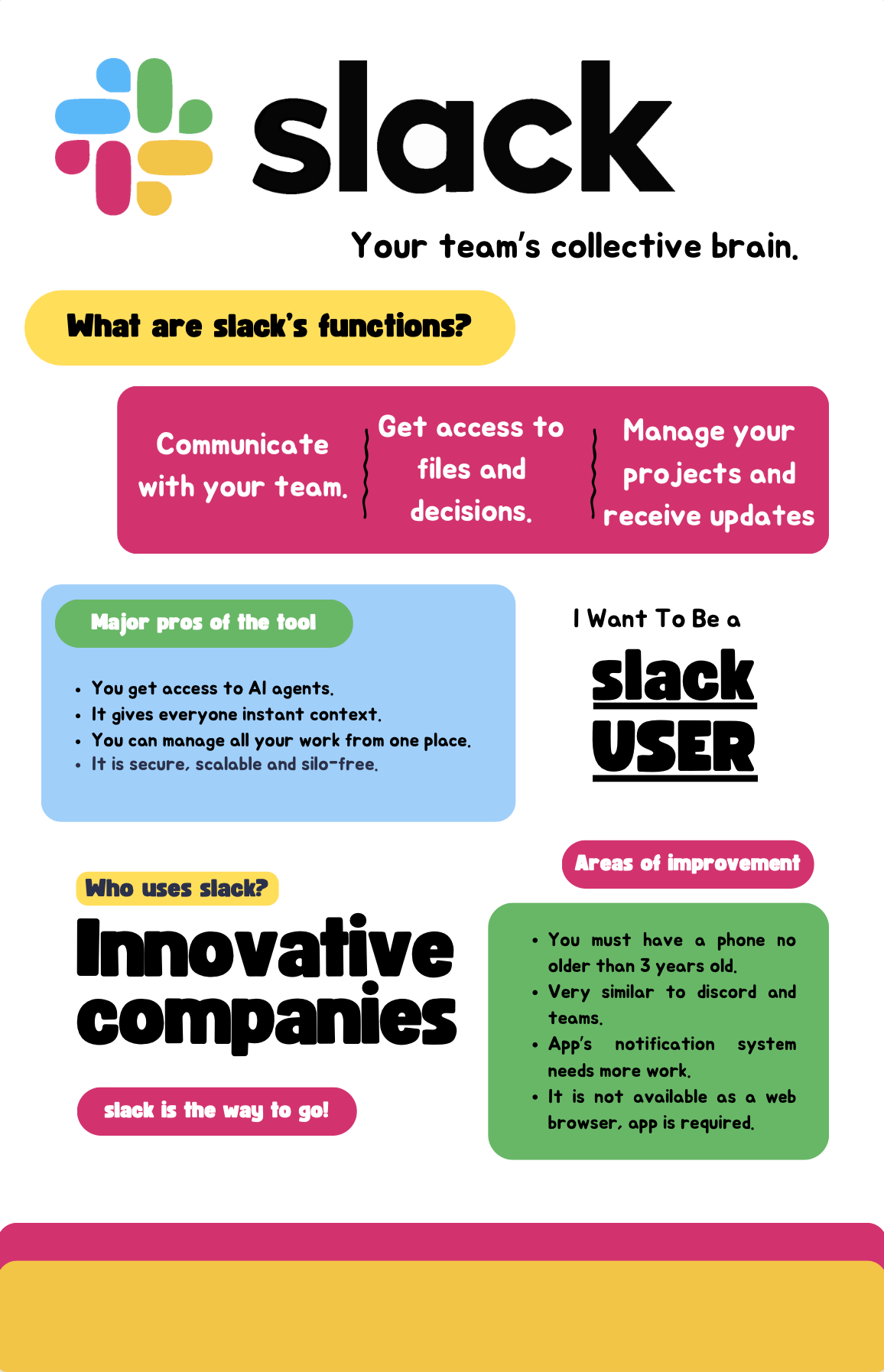
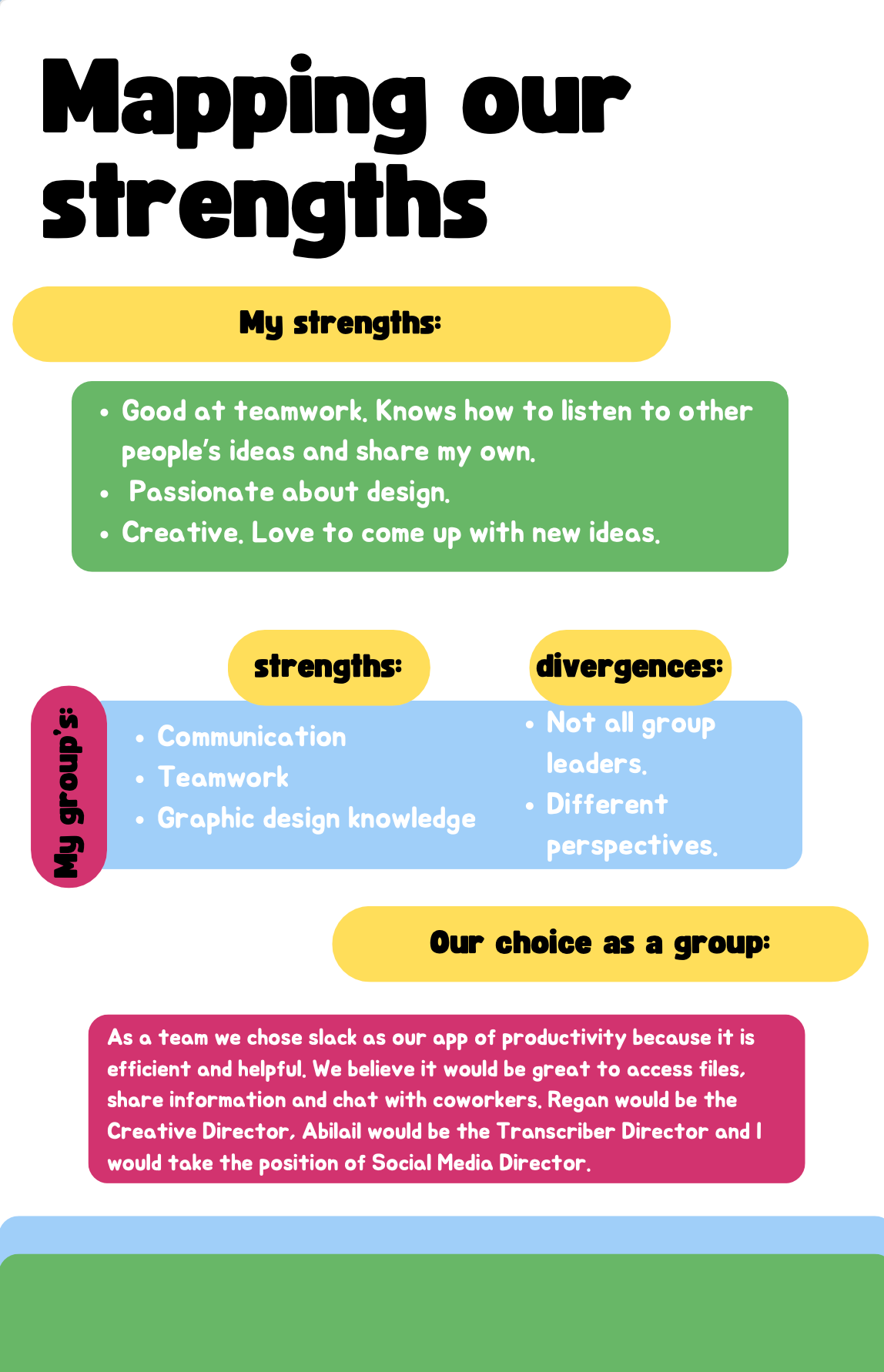
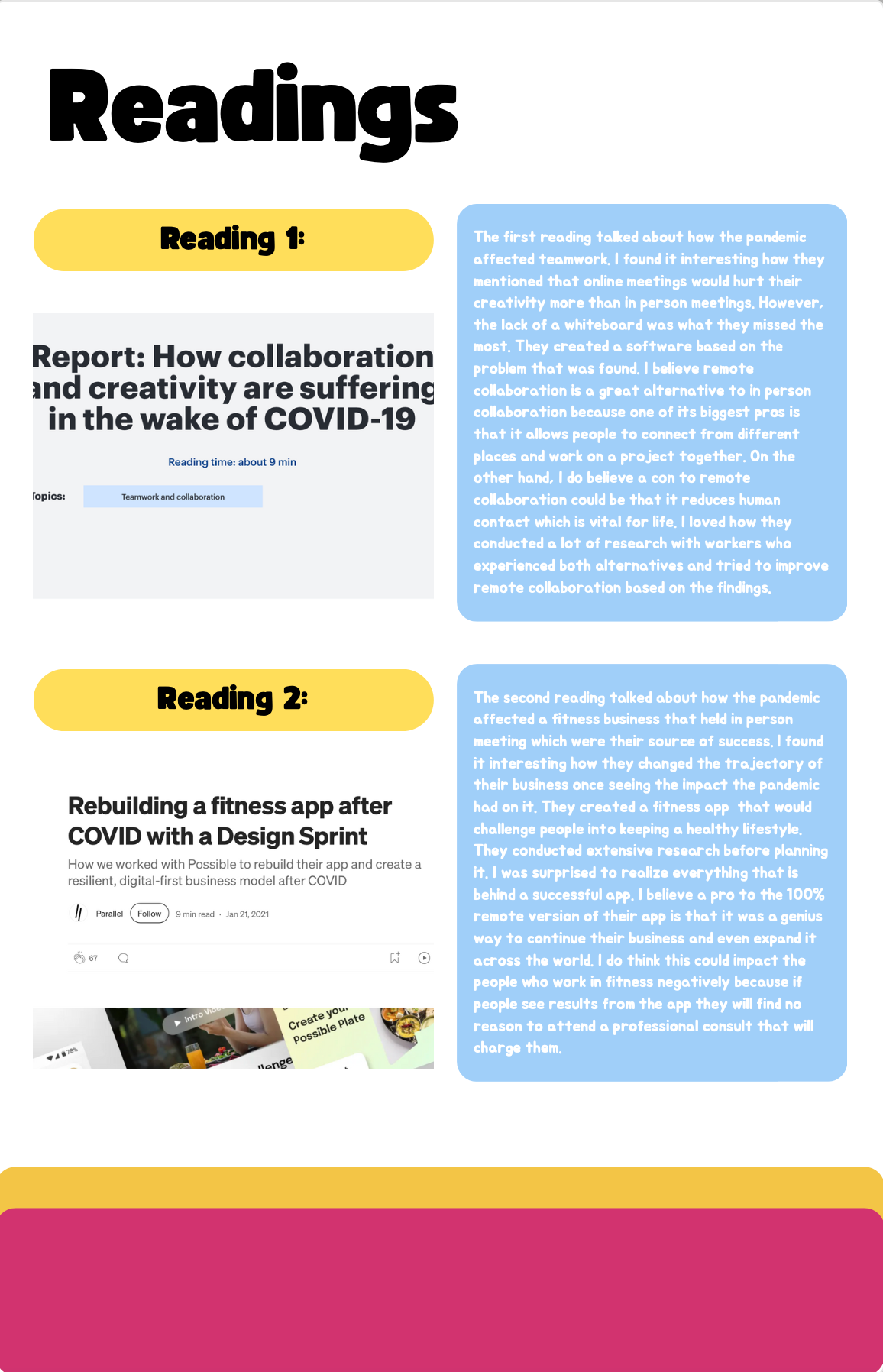
Students worked in teams to research and analyze existing apps while exploring collaborative workflows, communication strategies, and interface design. Drawing from readings on remote collaboration, creativity, and design sprints, groups selected one app to investigate further, documenting their process while assigning roles, organizing tasks, and developing a shared direction as a team.
Peer Technology Tutorial & Critical Reflection
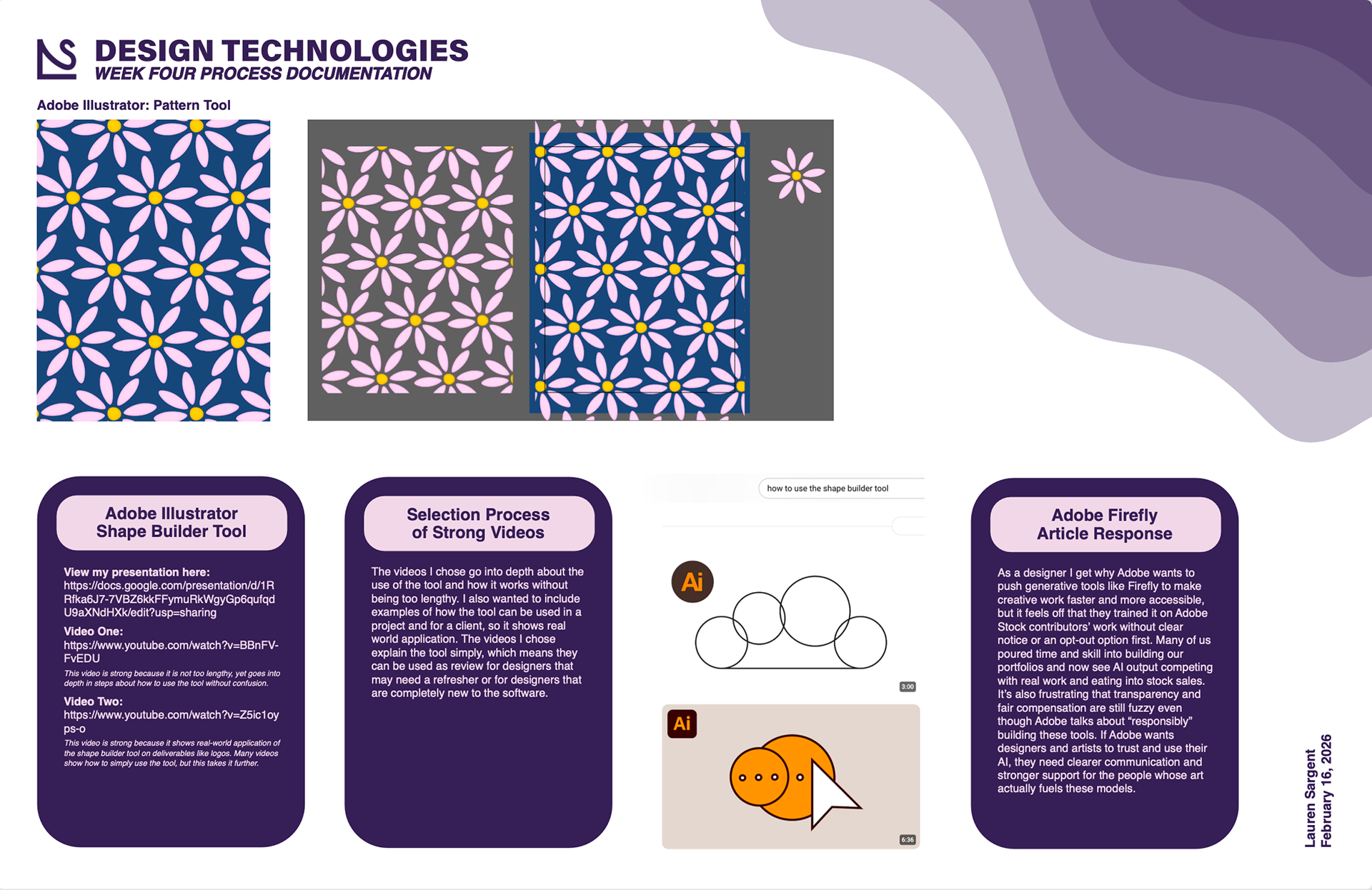
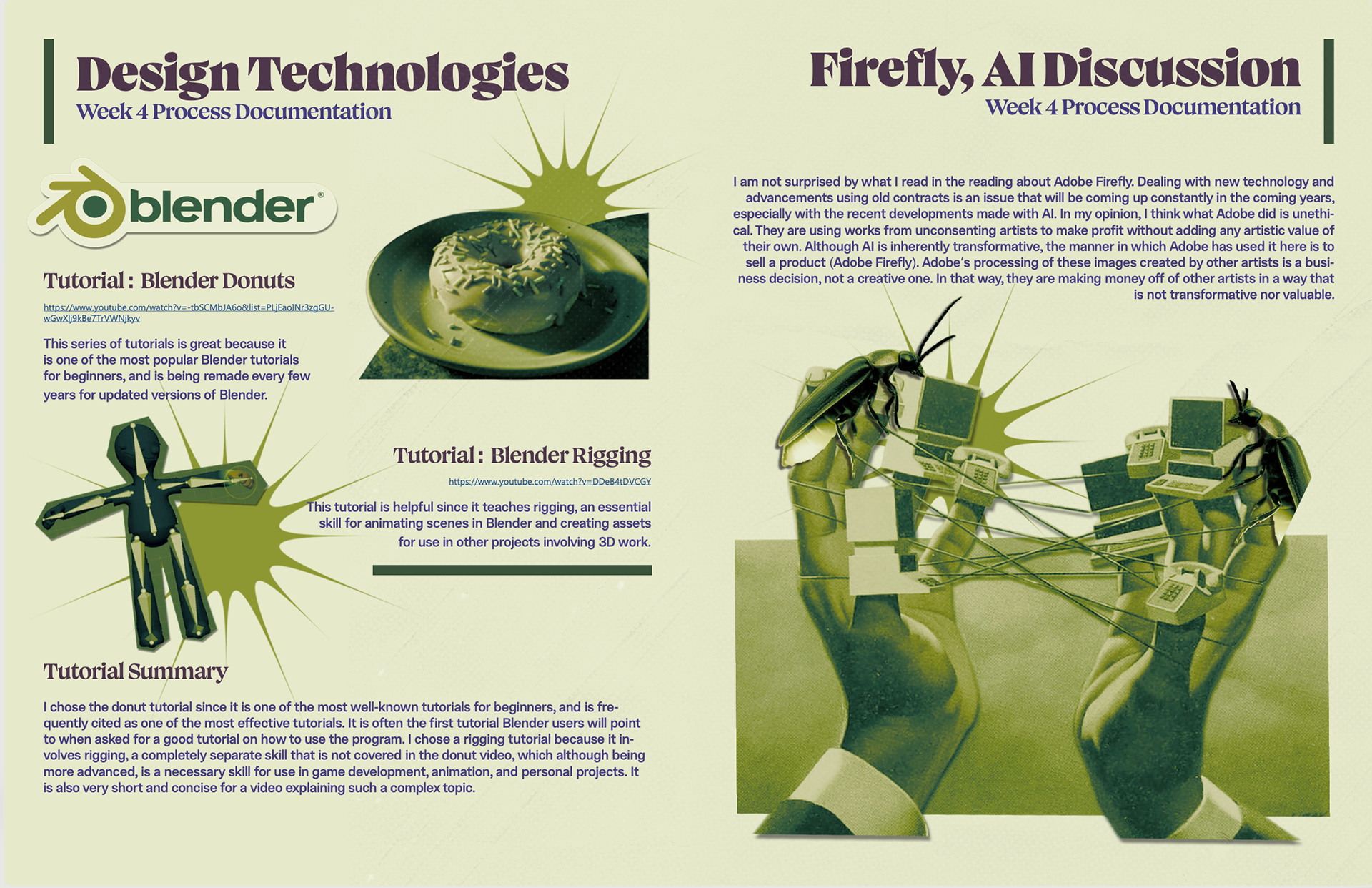
Students worked individually or with a partner to develop a short peer-to-peer technology tutorial introducing a digital tool, a useful technical skill, and curated learning resources. Alongside process documentation and collaborative preparation, students reflected on how they evaluated effective online tutorials and communicated technical information visually through designed presentation materials.
The assignment also introduced critical discussions surrounding generative AI tools and contemporary creative technologies through readings and written reflection, encouraging students to consider the ethical, professional, and cultural implications of emerging design tools.
AI Image Generation, Bias & Sketching Reflection
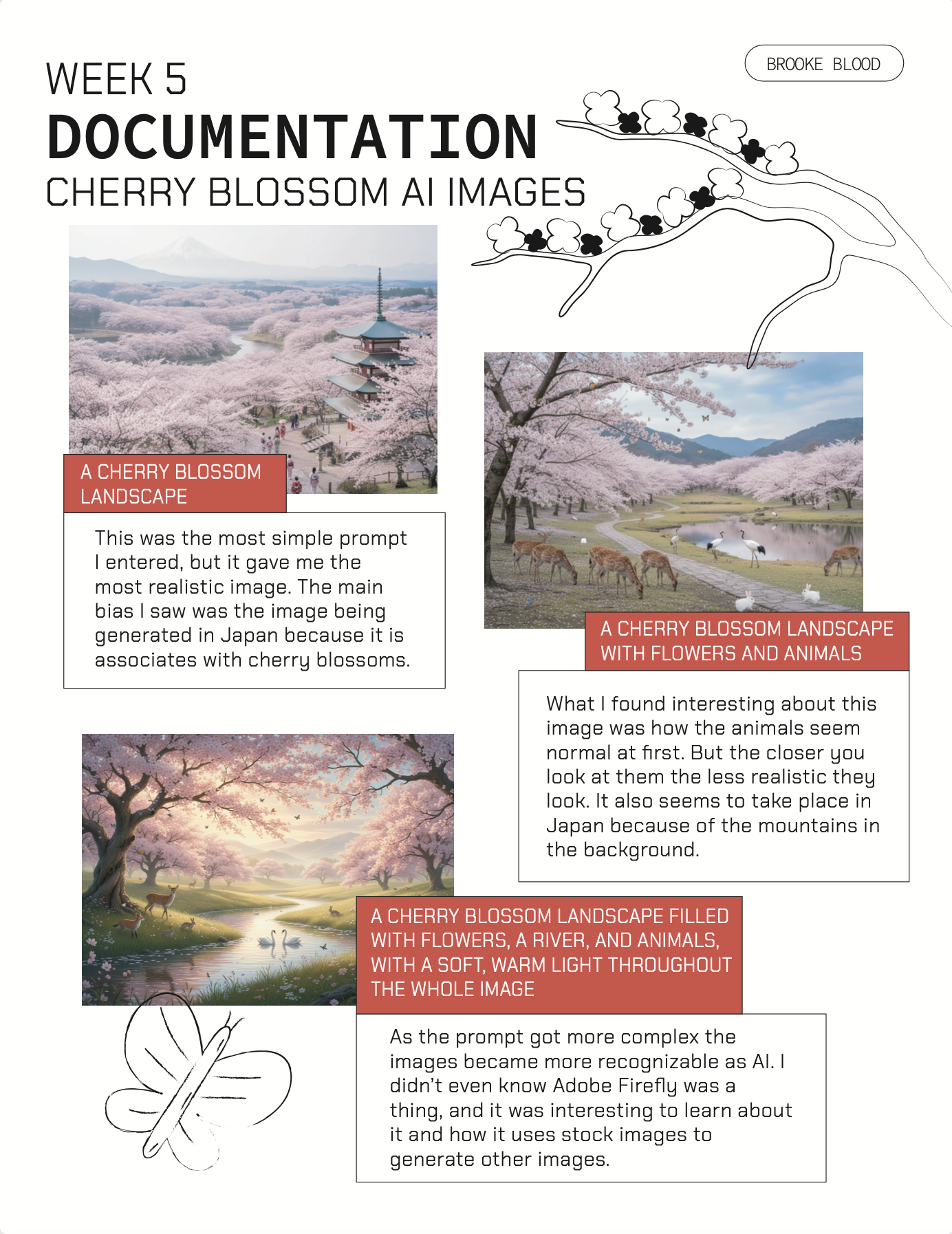
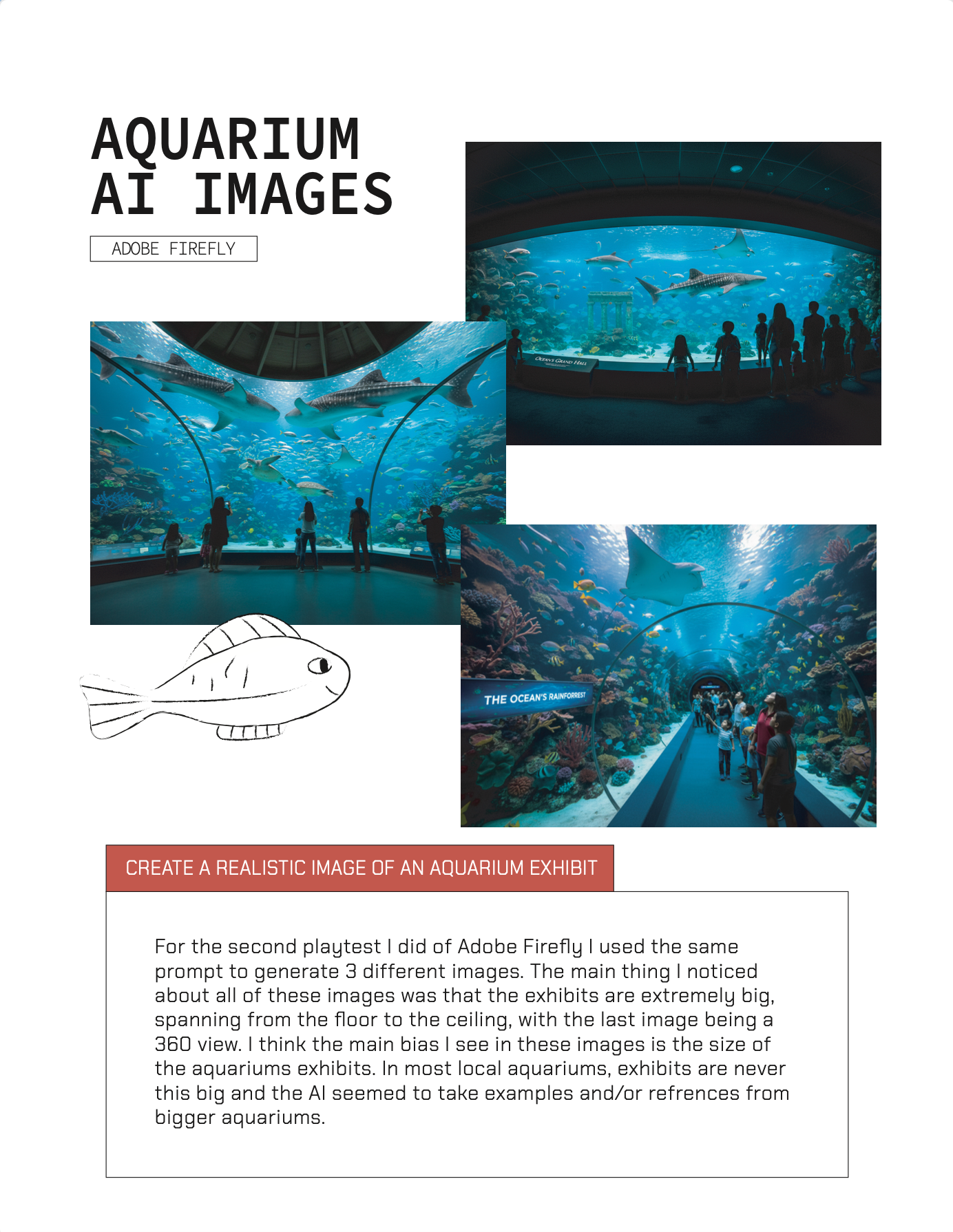
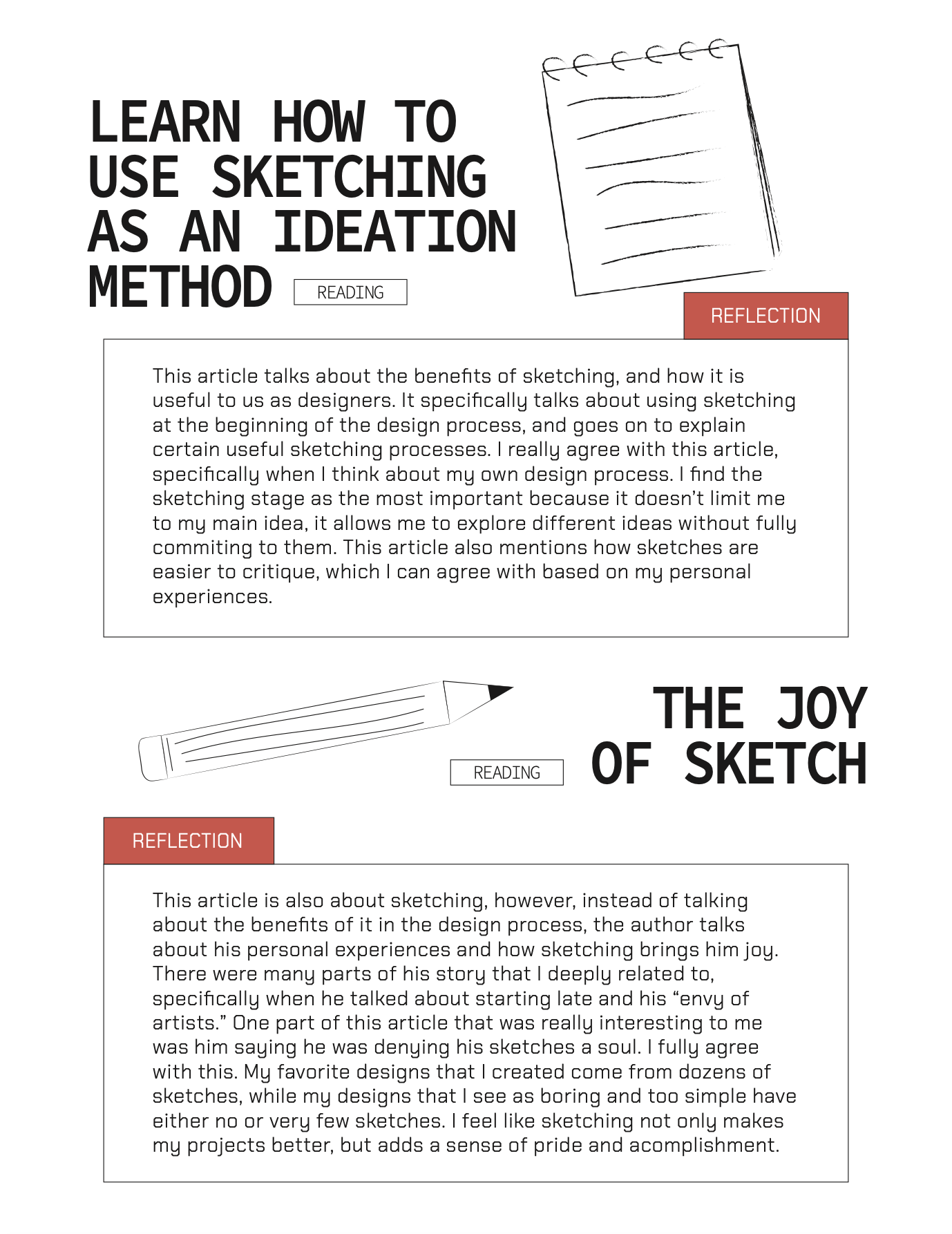
Students explored Adobe Firefly through a series of image-generation playtests that examined how generative AI tools produce visual outcomes and reproduce bias. The assignment also encouraged students to reconnect with sketching as part of their design process through readings and written reflection. By pairing generative technologies with discussions around ideation, observation, and drawing, the project positioned sketching not as a preliminary step to replace, but as an essential practice for critical thinking, experimentation, and creative development.
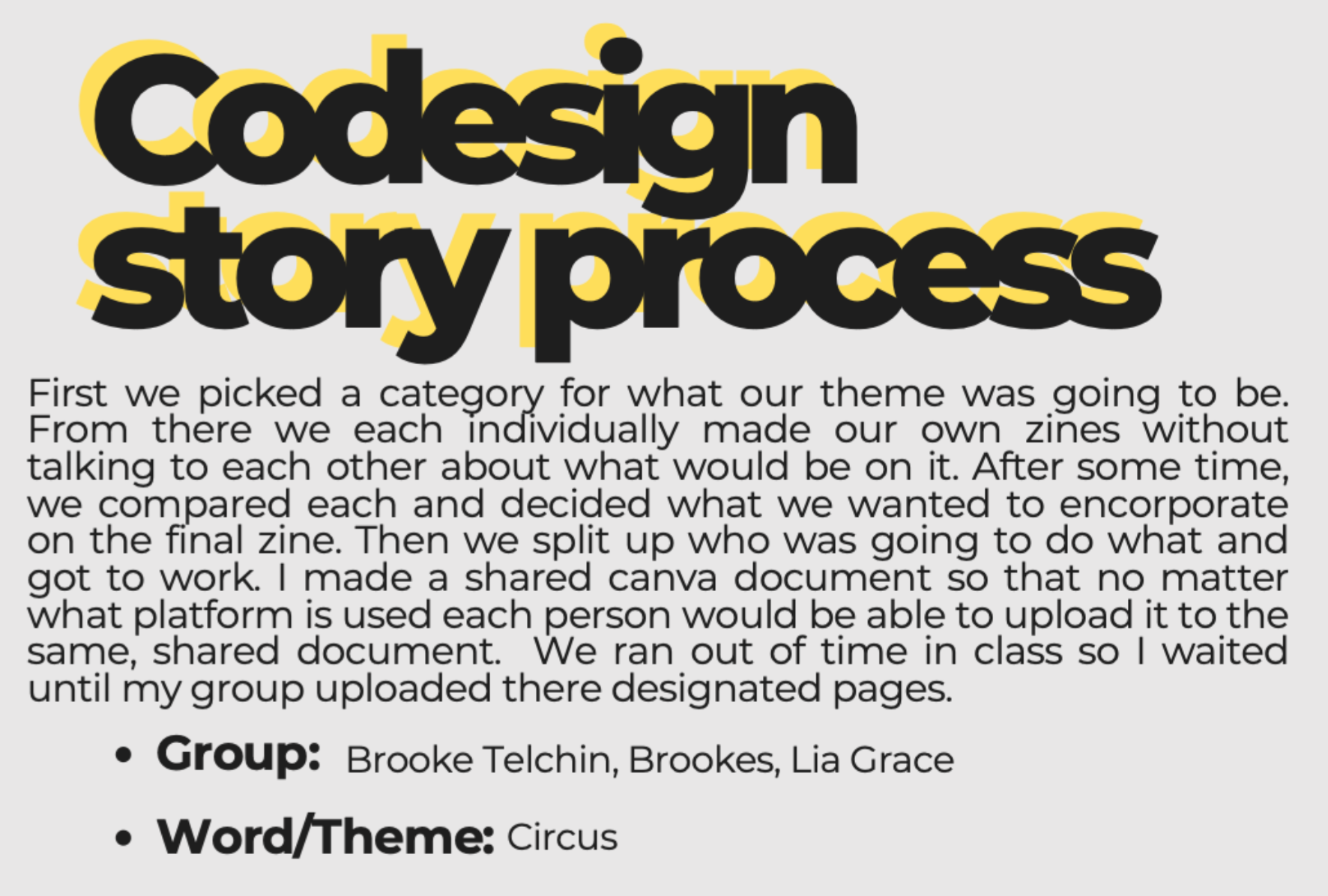
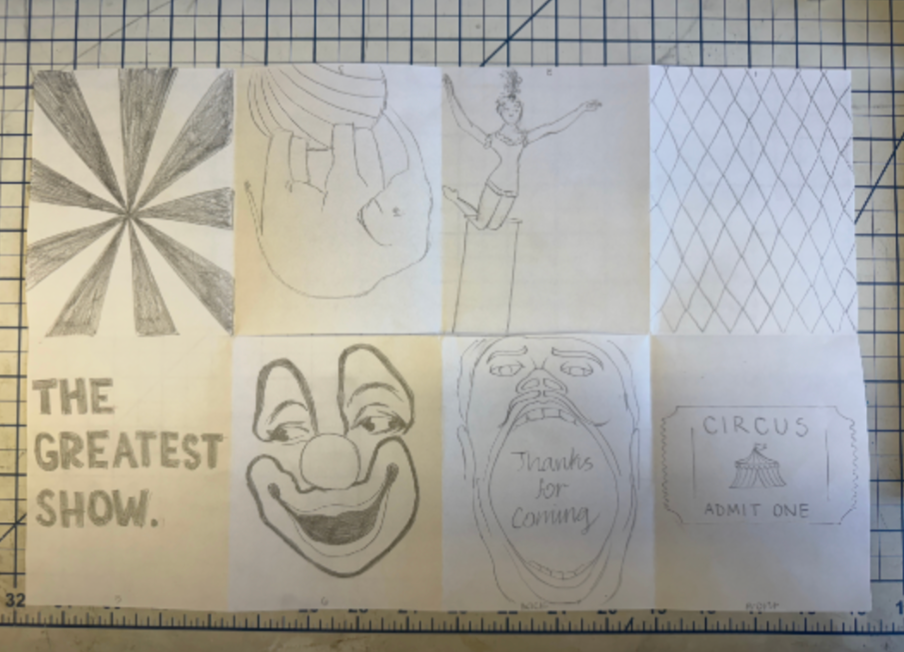
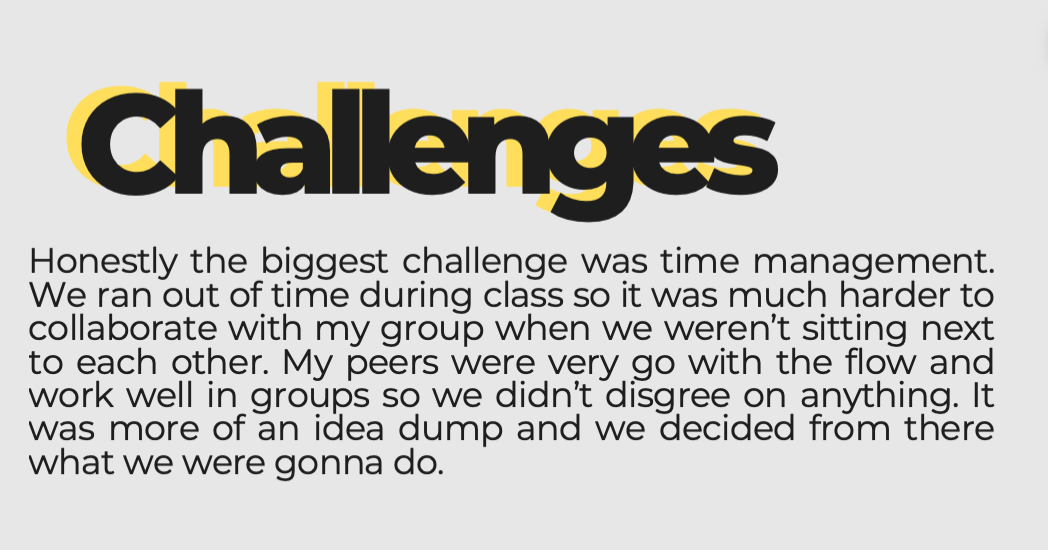
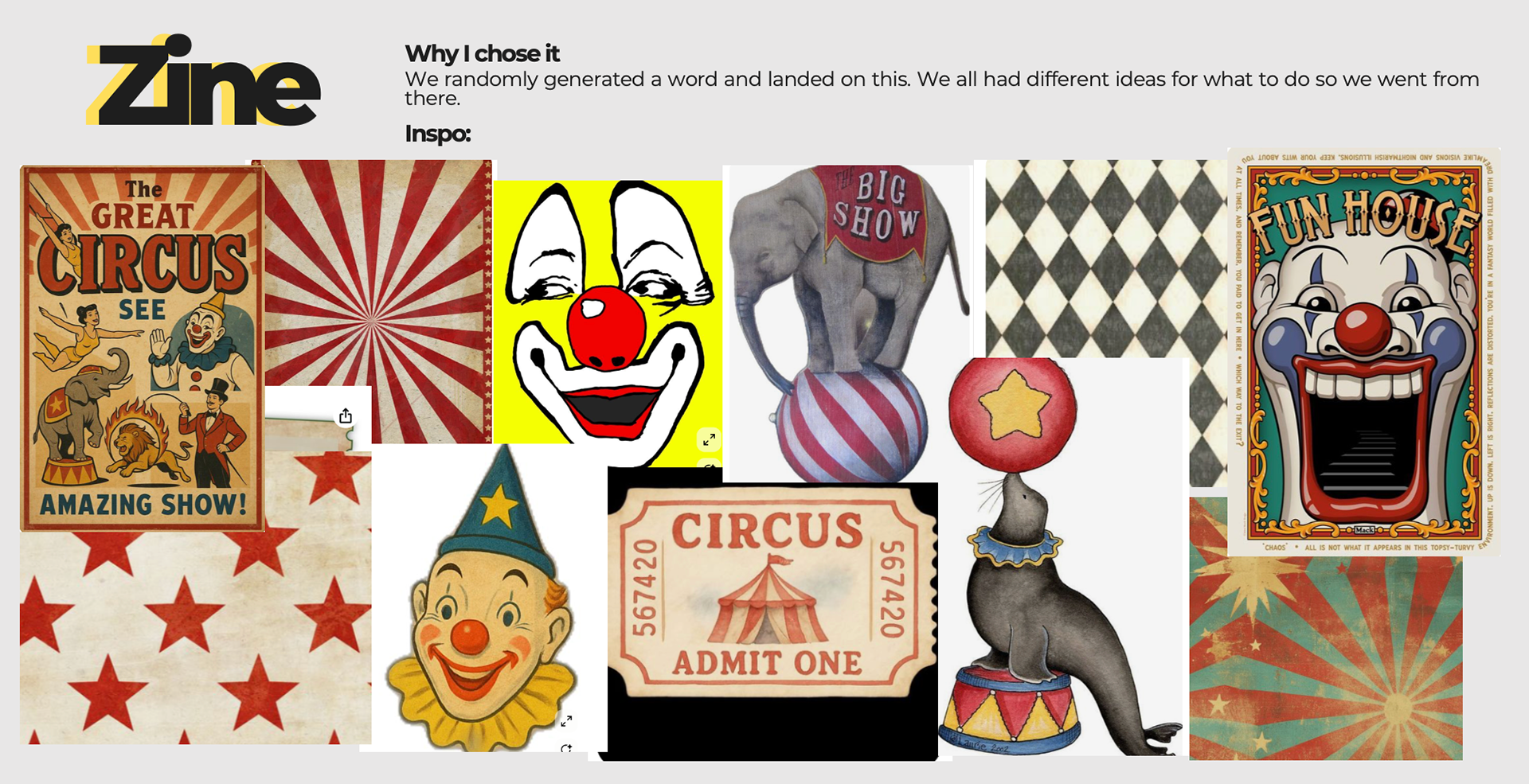
Codesign Storyboarding & Zine
Students design a typographic social media carousel introducing a chosen design hero to a community of designers. The project emphasizes narrative, hierarchy, motion, and clarity within the constraints of mobile-first platforms.
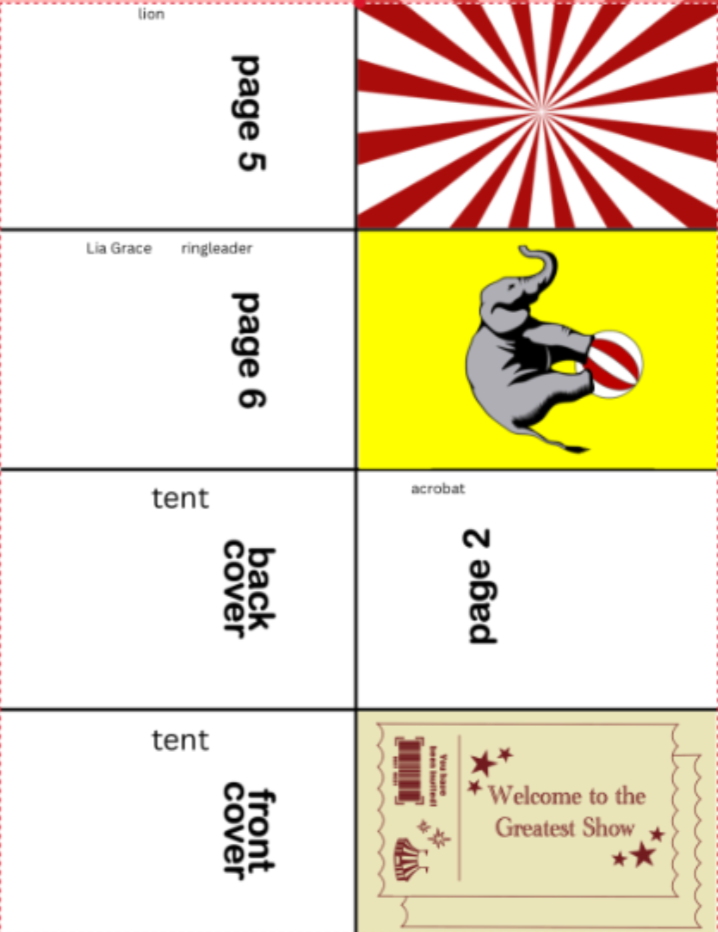
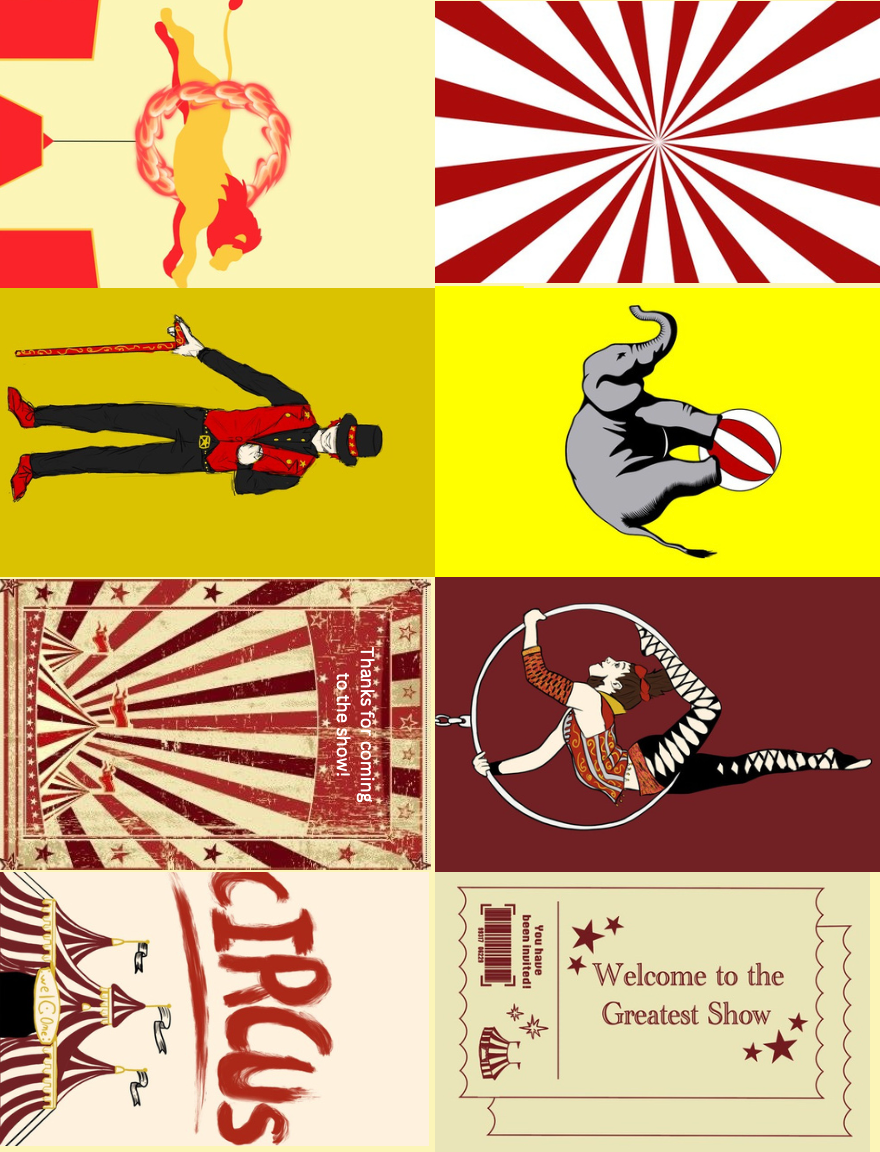
Motion Experiments & Storyboarding
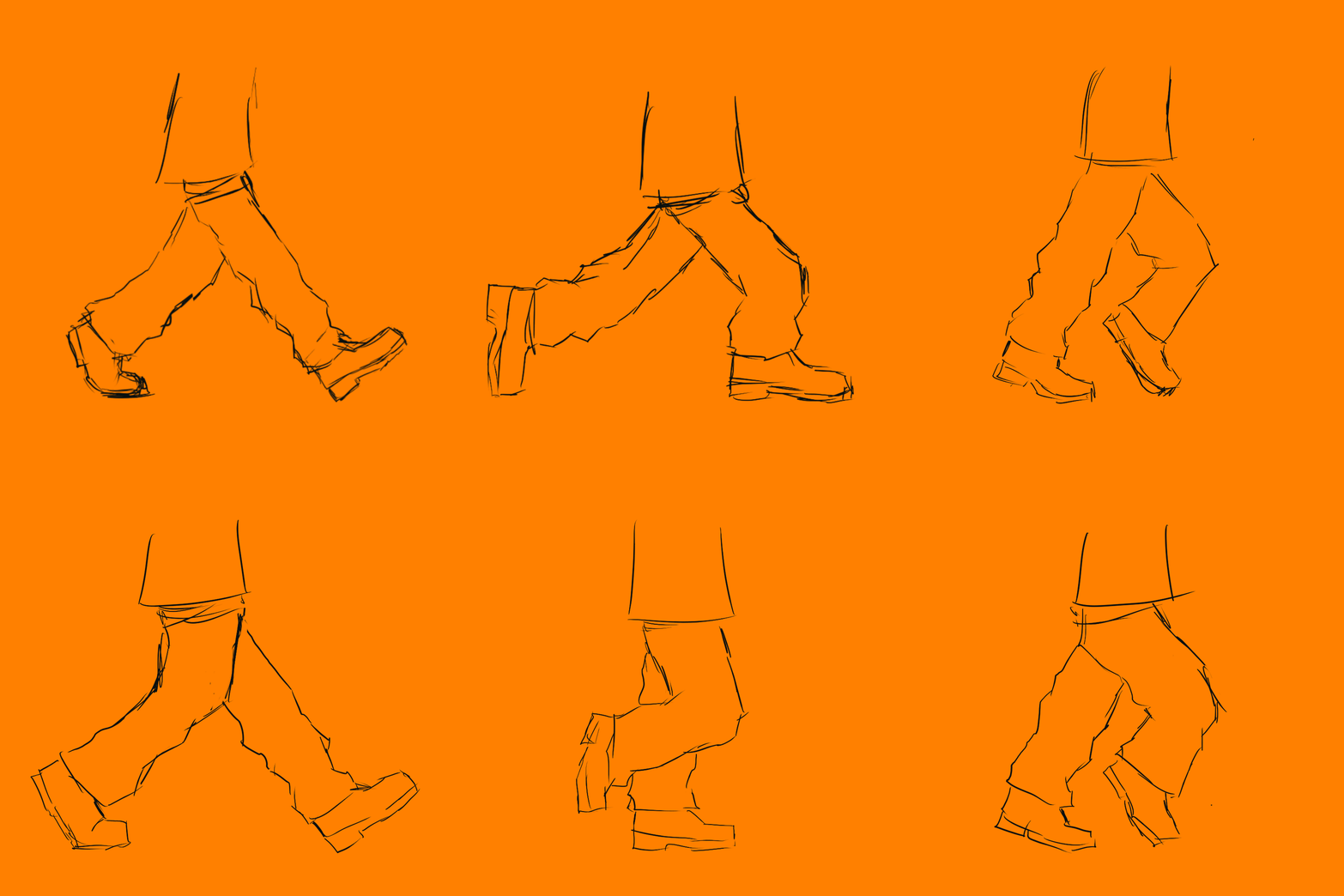
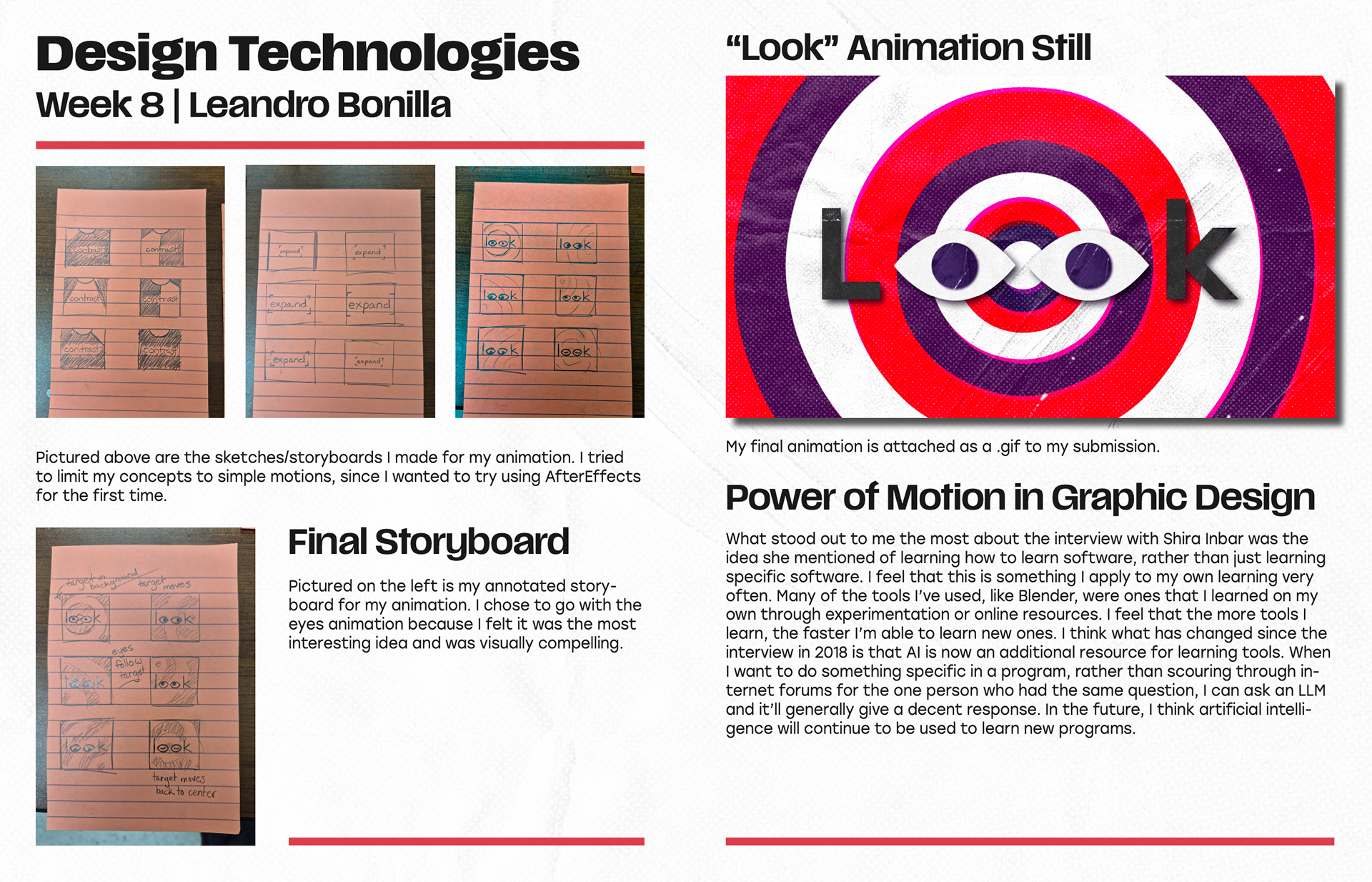
Students explored motion as a tool for visual communication through a series of animated experiments, combining storyboarding, iterative sketching, and process planning. The assignment emphasized experimentation over polished outcomes, encouraging students to test movement, pacing, and sequencing through rough GIF or video prototypes.
Alongside initial and revised storyboards, students developed annotated step-by-step production plans that reflected on different approaches to making and problem-solving within motion design workflows. Readings and written responses to Shira Inbar’s The Power of Motion in Graphic Design further encouraged students to critically consider how motion design practices, technologies, and expectations have evolved in recent years.