Role: Instructor
Visual Methods & Processes
This introductory course is designed for first-year Graphic Design students and introduces visual research methods and creative tools for exploring and communicating ideas through design. Emphasis is placed on application through project-based work rather than theory alone. Students engage visual strategies through a sequence of assignments, including icon set development, a bestiary, social T-shirt design, and image packaging. Each project situates visual methods within specific contexts, addressing the organization of imagery, the construction of symbolic systems, and the articulation of narrative, identity, and concept through form. Collectively, these projects establish a foundational understanding of visual thinking, research, and design communication. The course is informed by a pedagogical approach in which teaching operates as an ongoing learning practice, allowing methods and insights to evolve through instruction, dialogue, and reflection.
Acknowledgement: This course was originally developed by Dr. Dori Griffin, professor at the University of Florida. In my role as instructor, I taught the course while actively adapting and evolving the curriculum, drawing on my own pedagogical practice, research, and classroom experimentation.
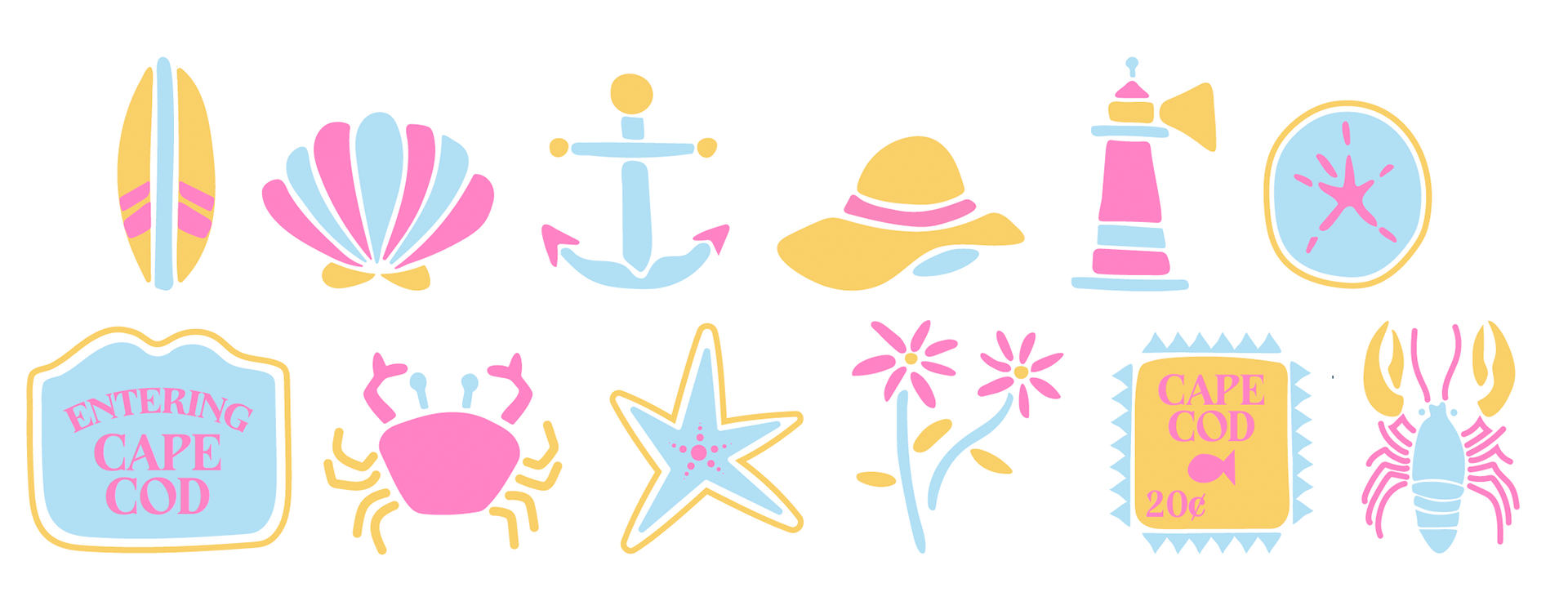
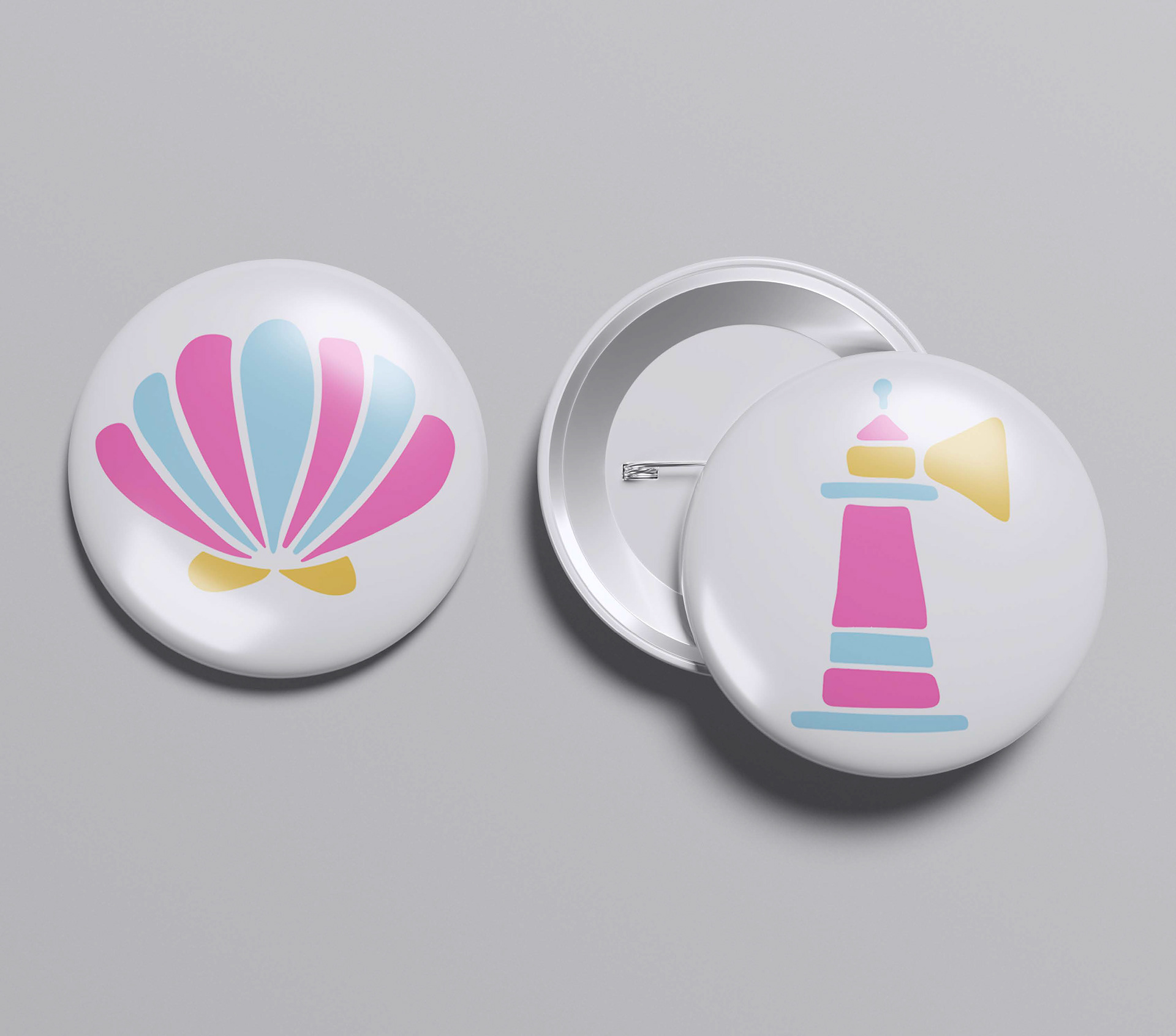
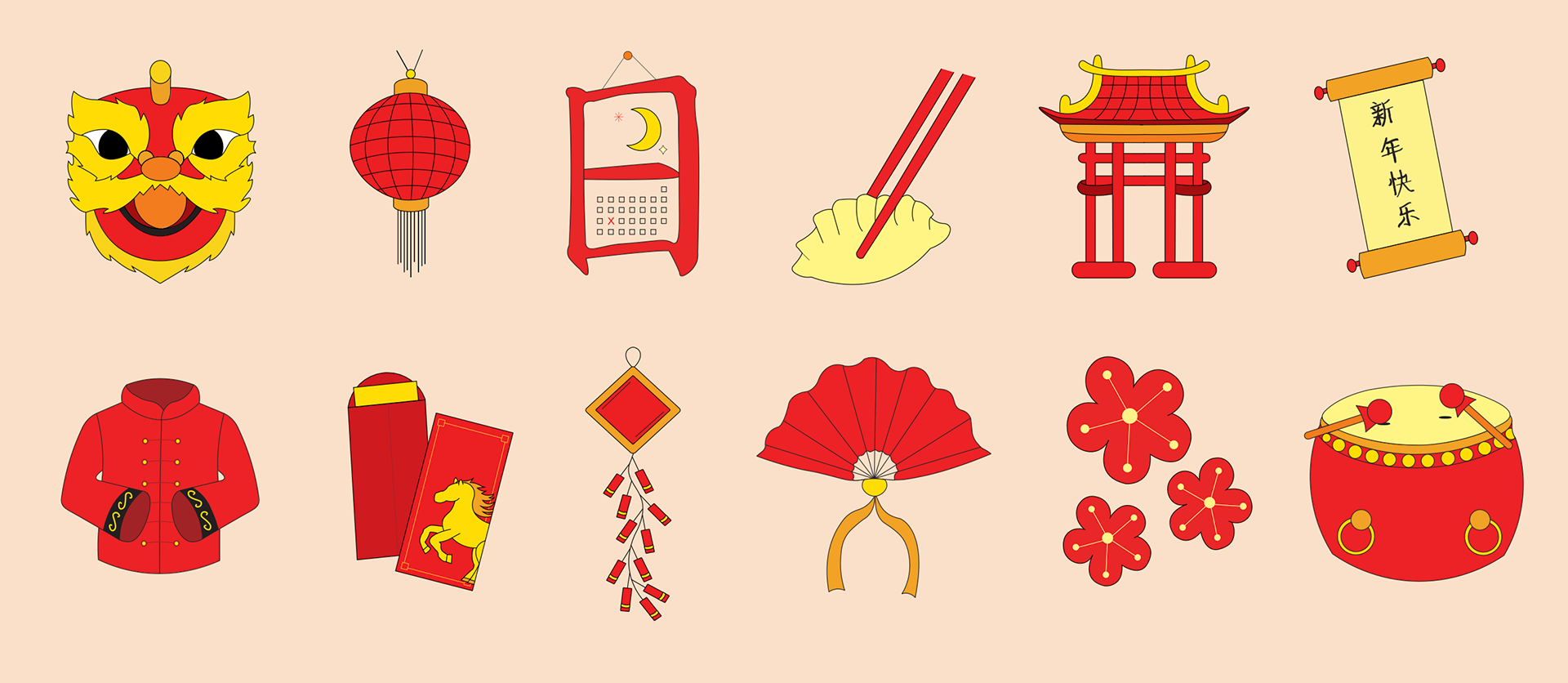
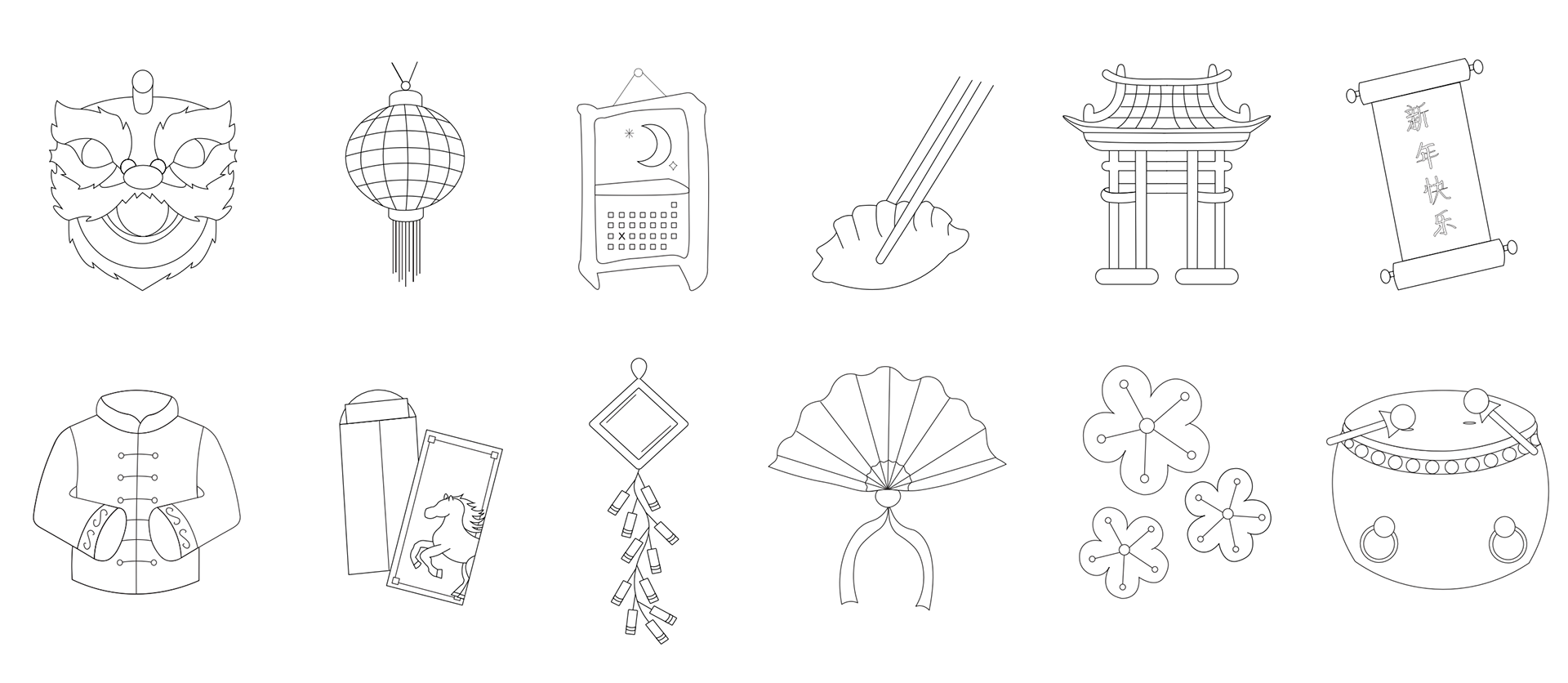
Icon Set Design
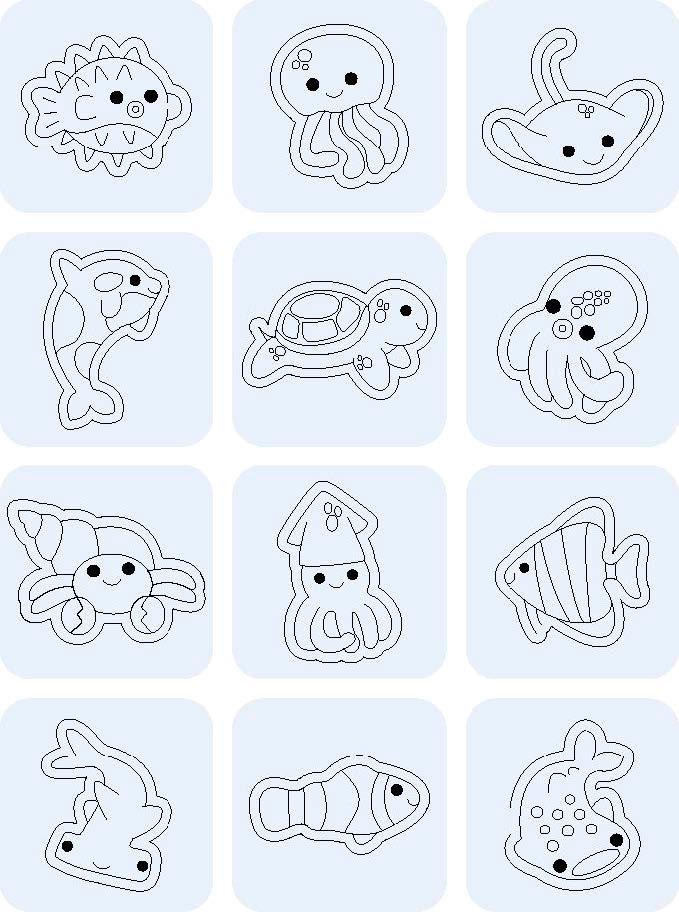
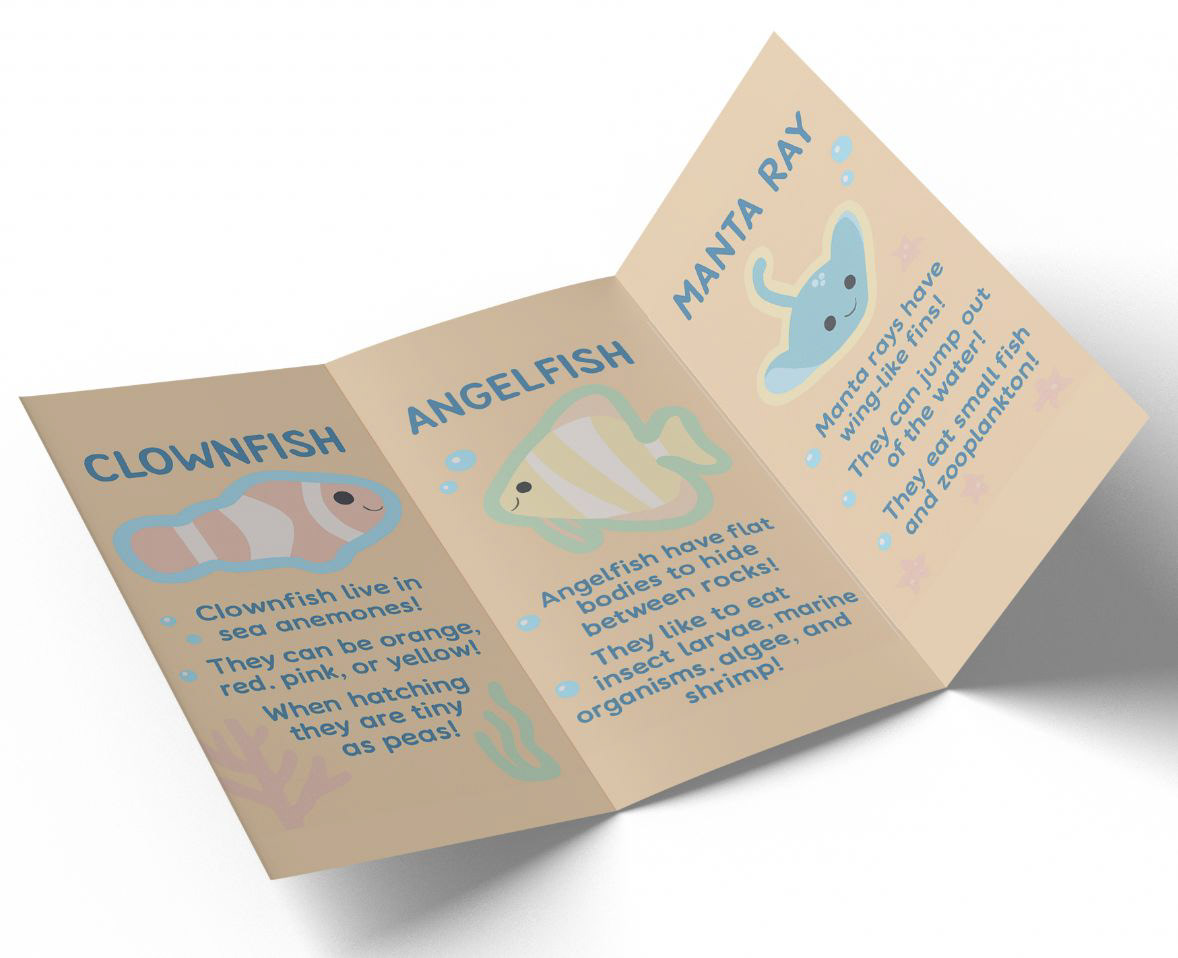
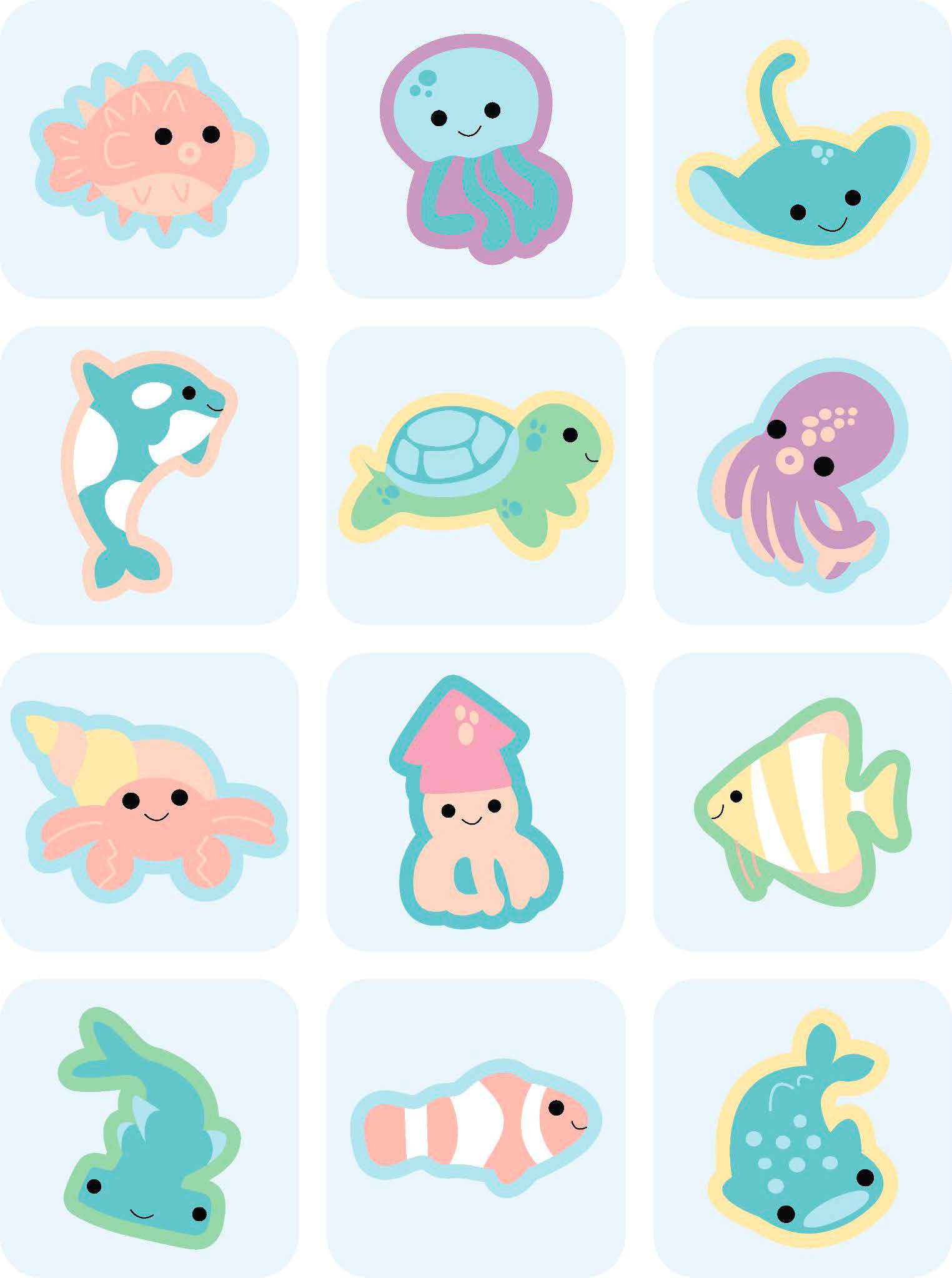
Students design a cohesive set of 12 custom icons using Adobe Illustrator, developing a visual system around a chosen theme. The project emphasizes observation, abstraction, iteration, and consistency while strengthening core icon design and aesthetic decision-making skills.


Bestiary
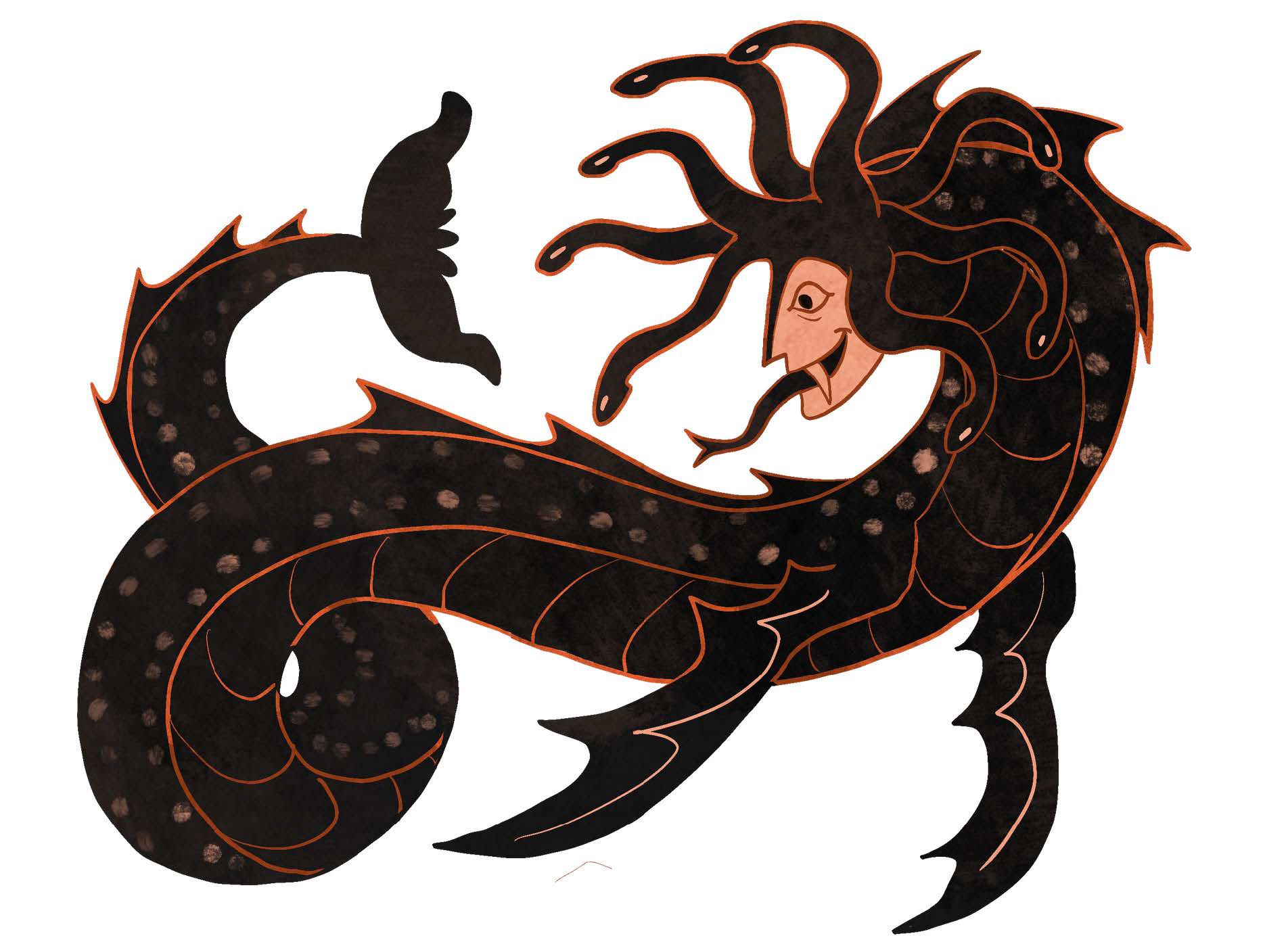
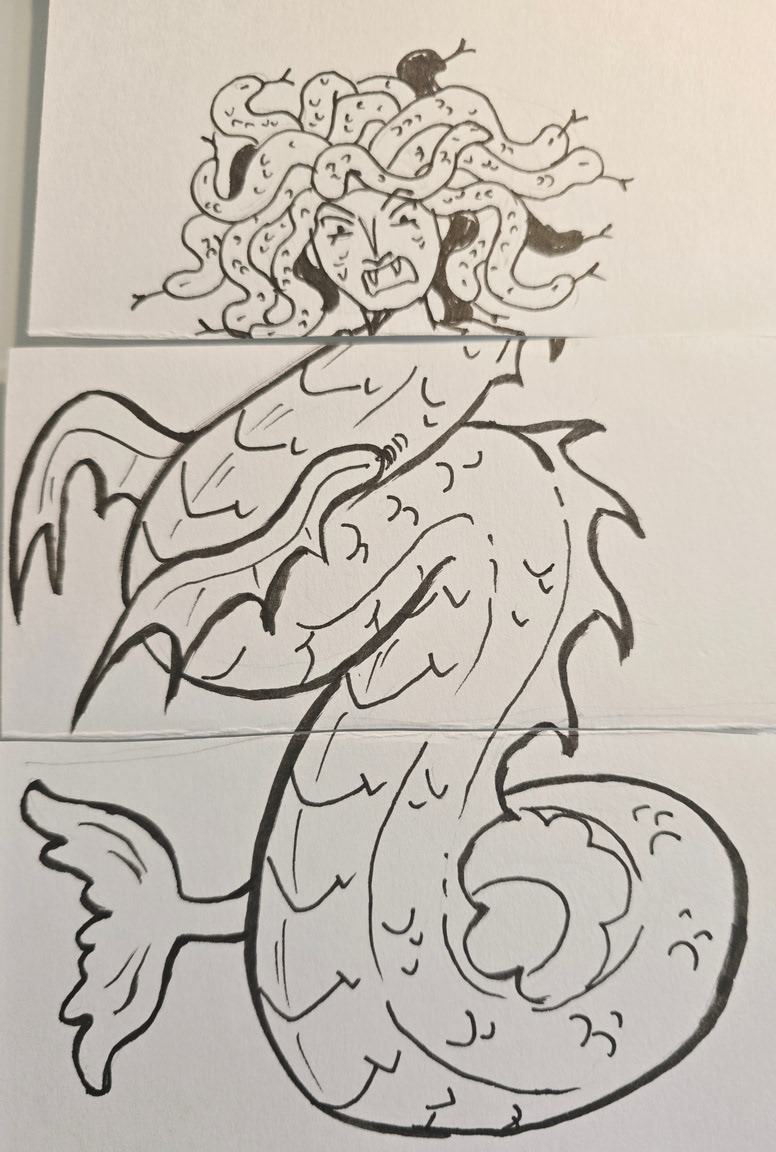
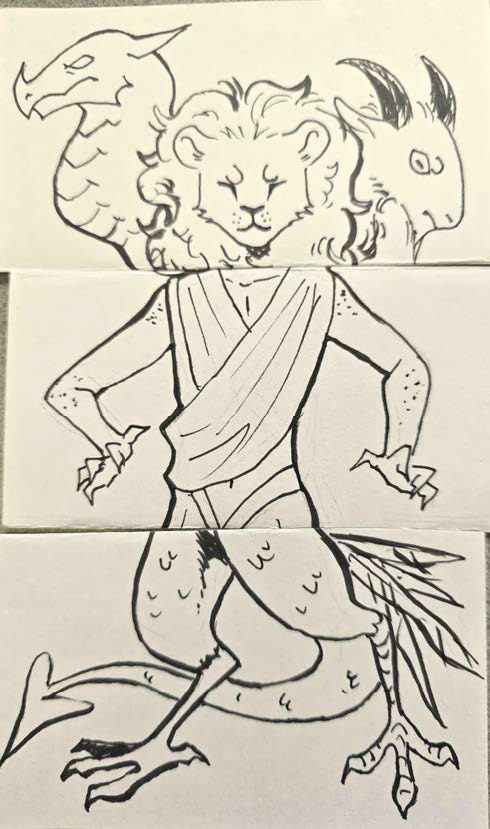
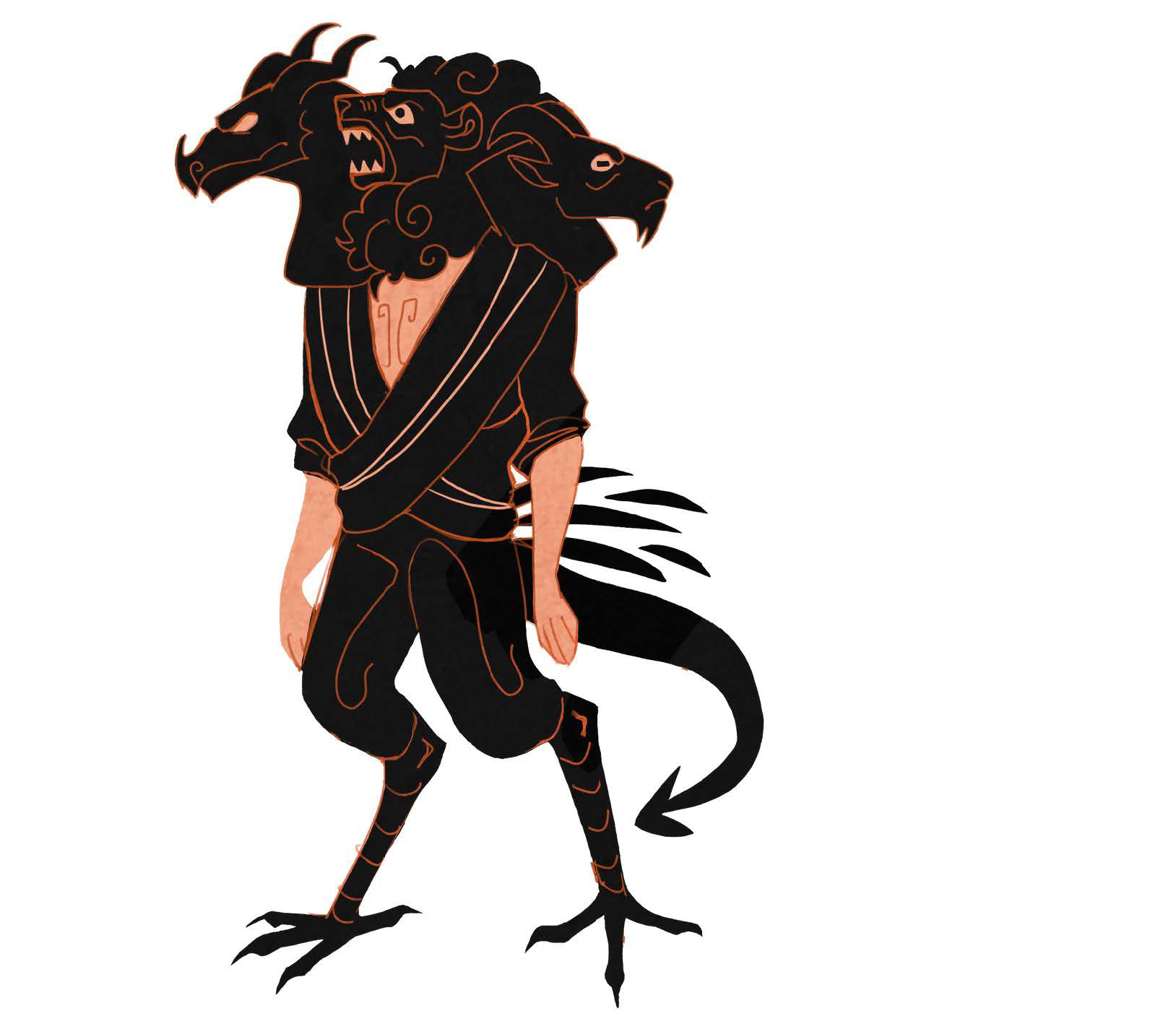
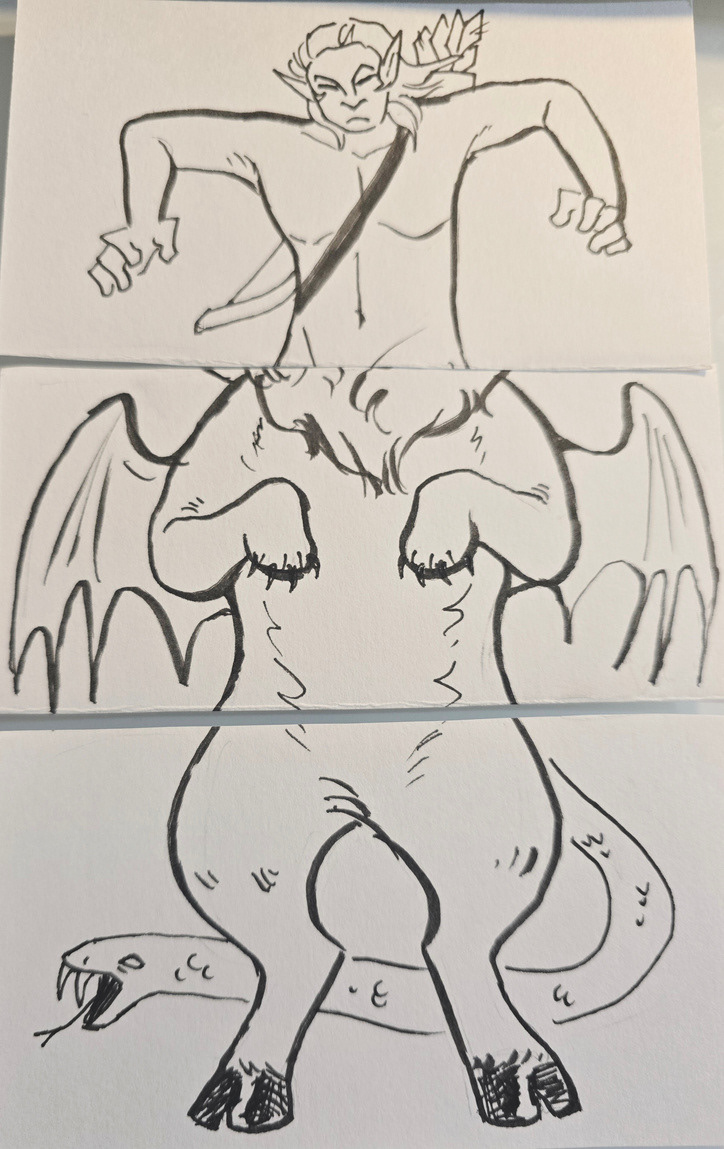
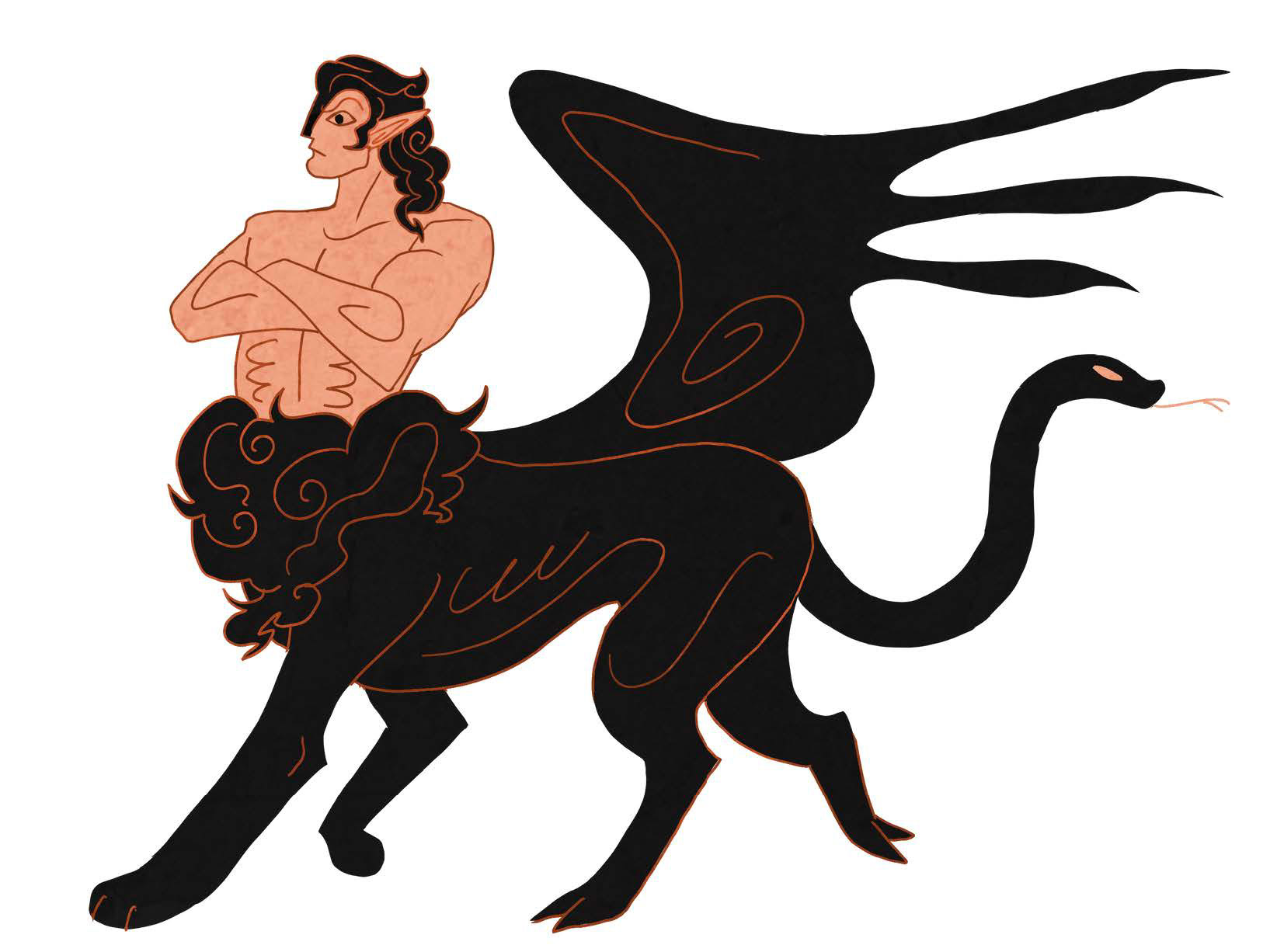
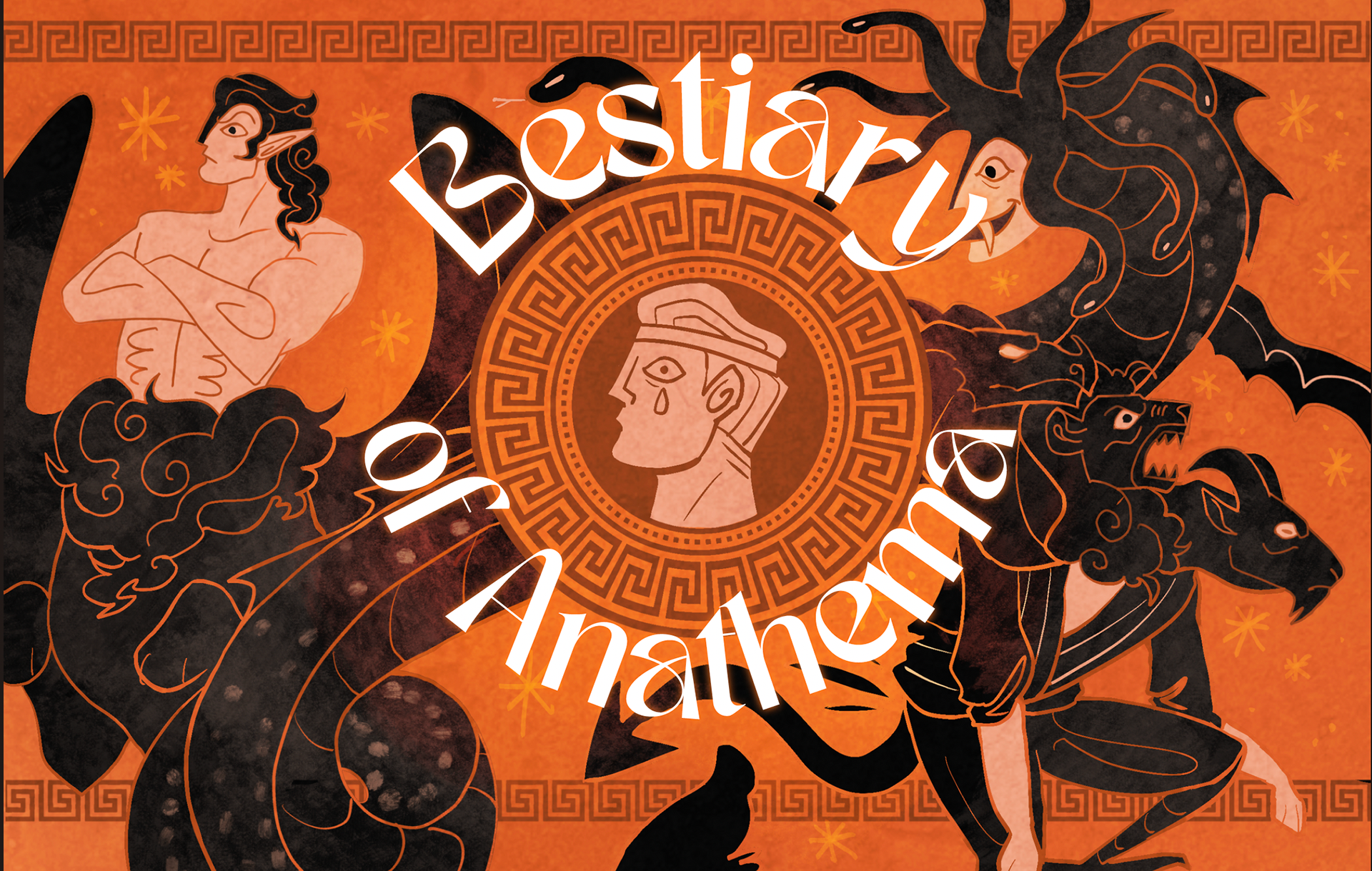
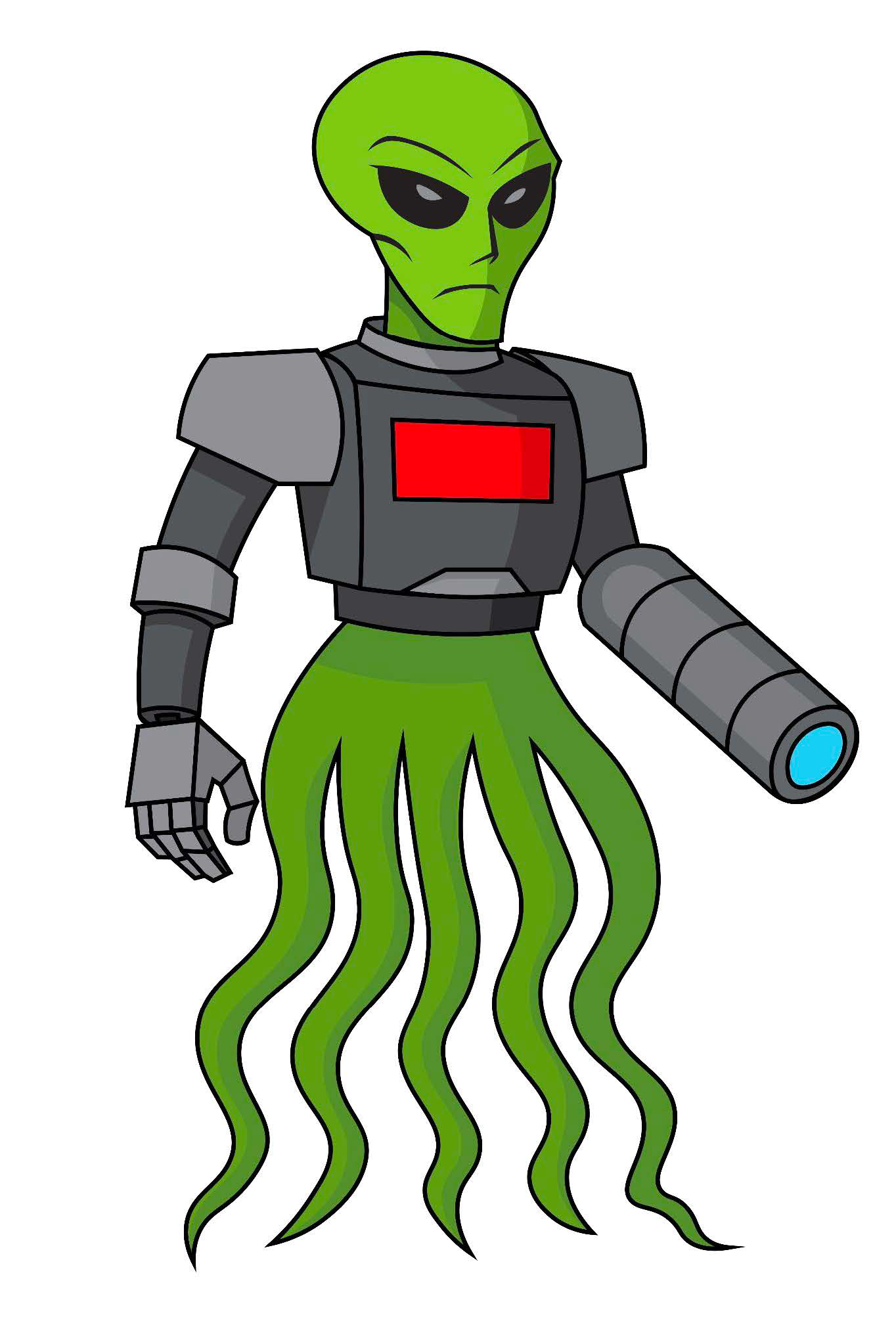
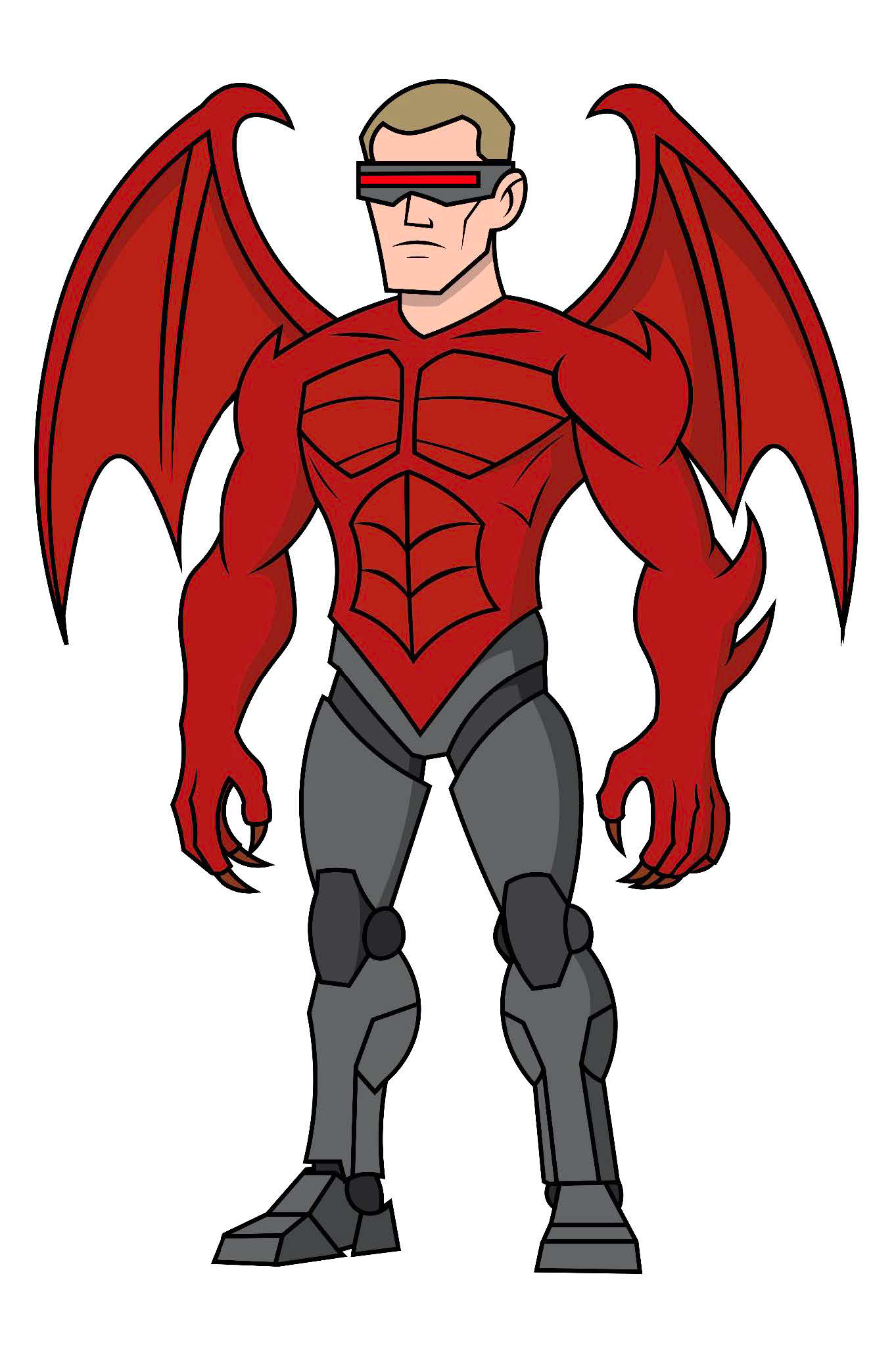
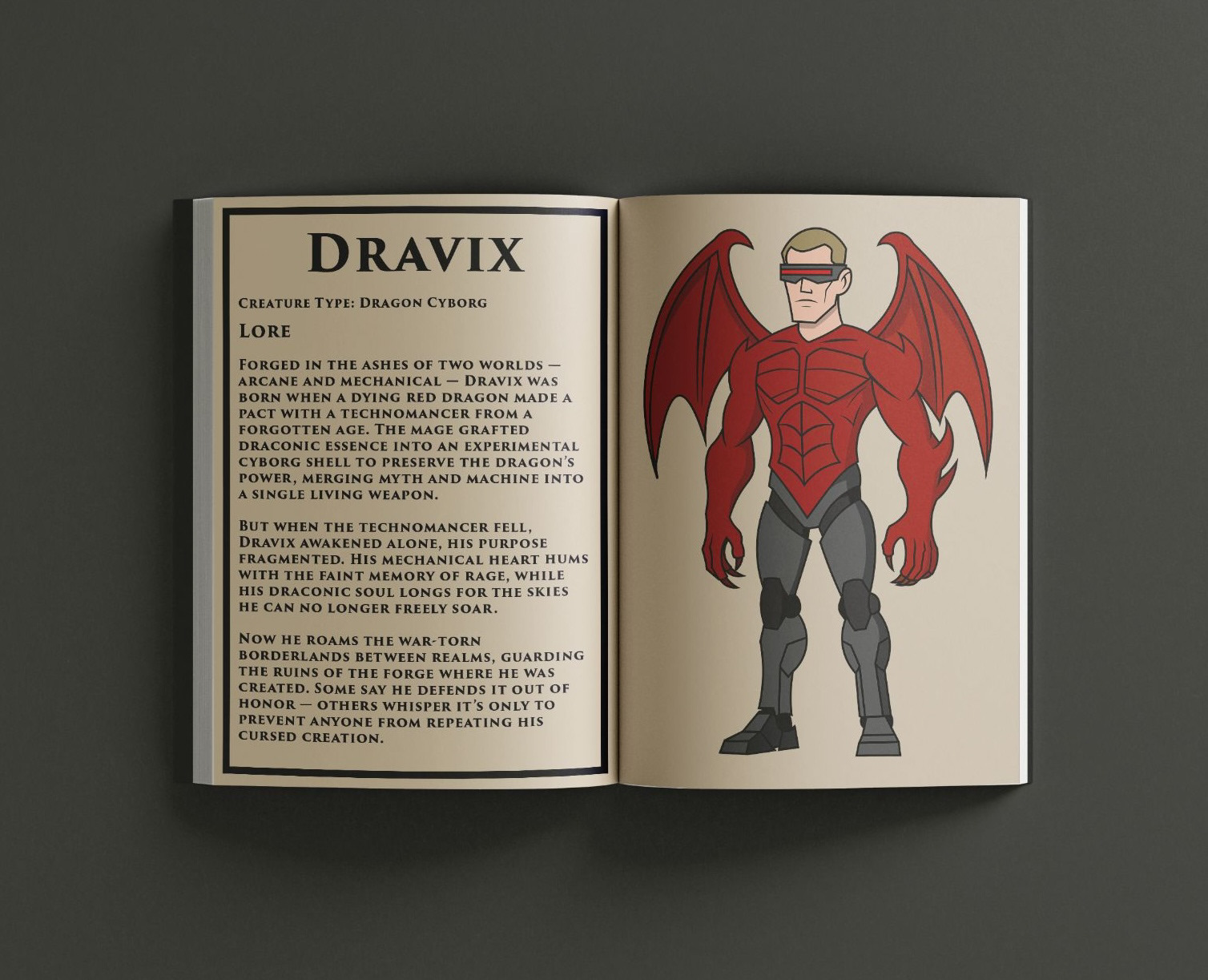
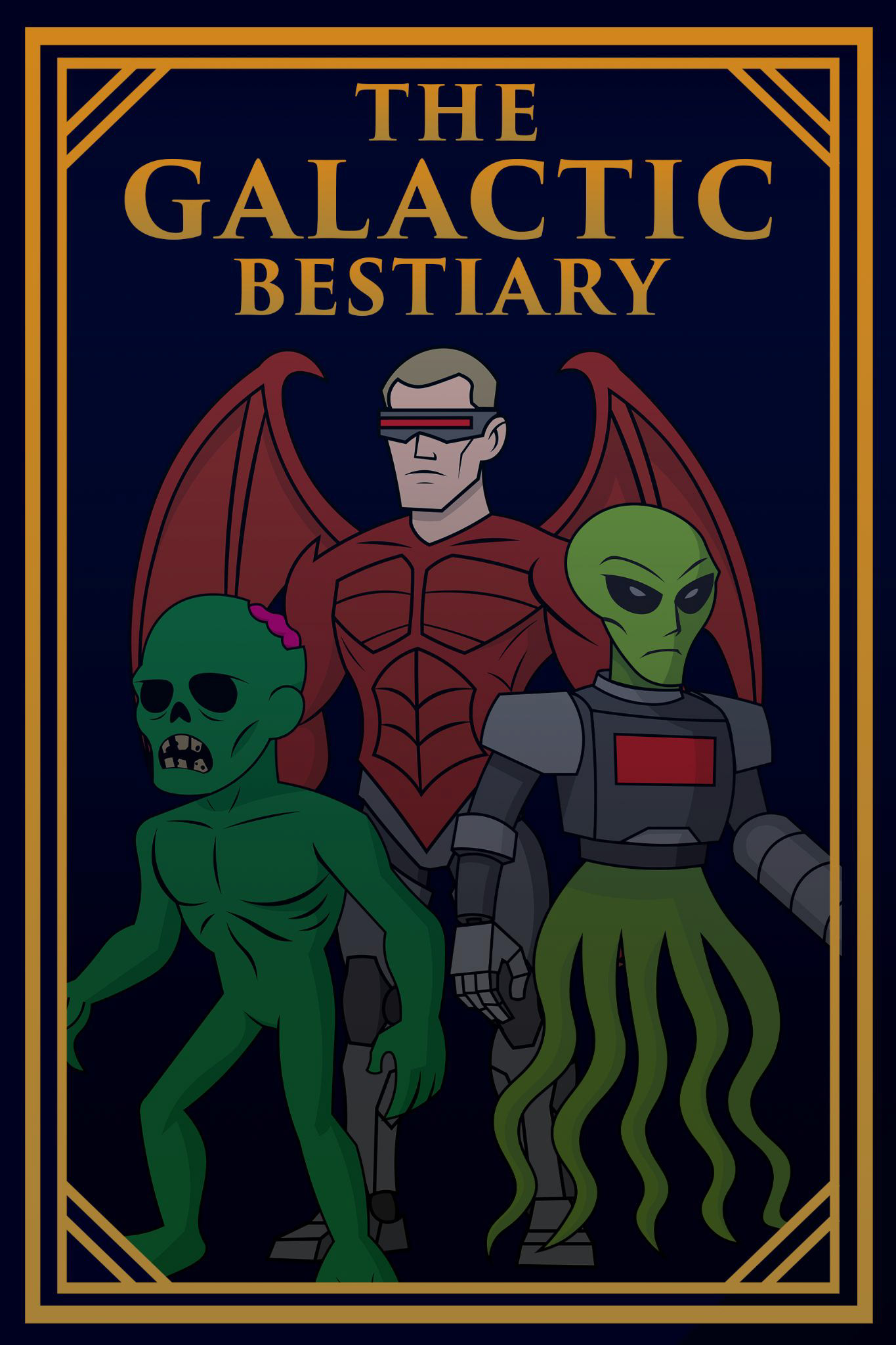
Students create a bestiary of 50 imaginary creatures through sketching and experimentation, then curate their strongest three designs. The project culminates in an experimental book cover that communicates story concept, material exploration, and iterative process through form and narrative.

Social T-shirt Design
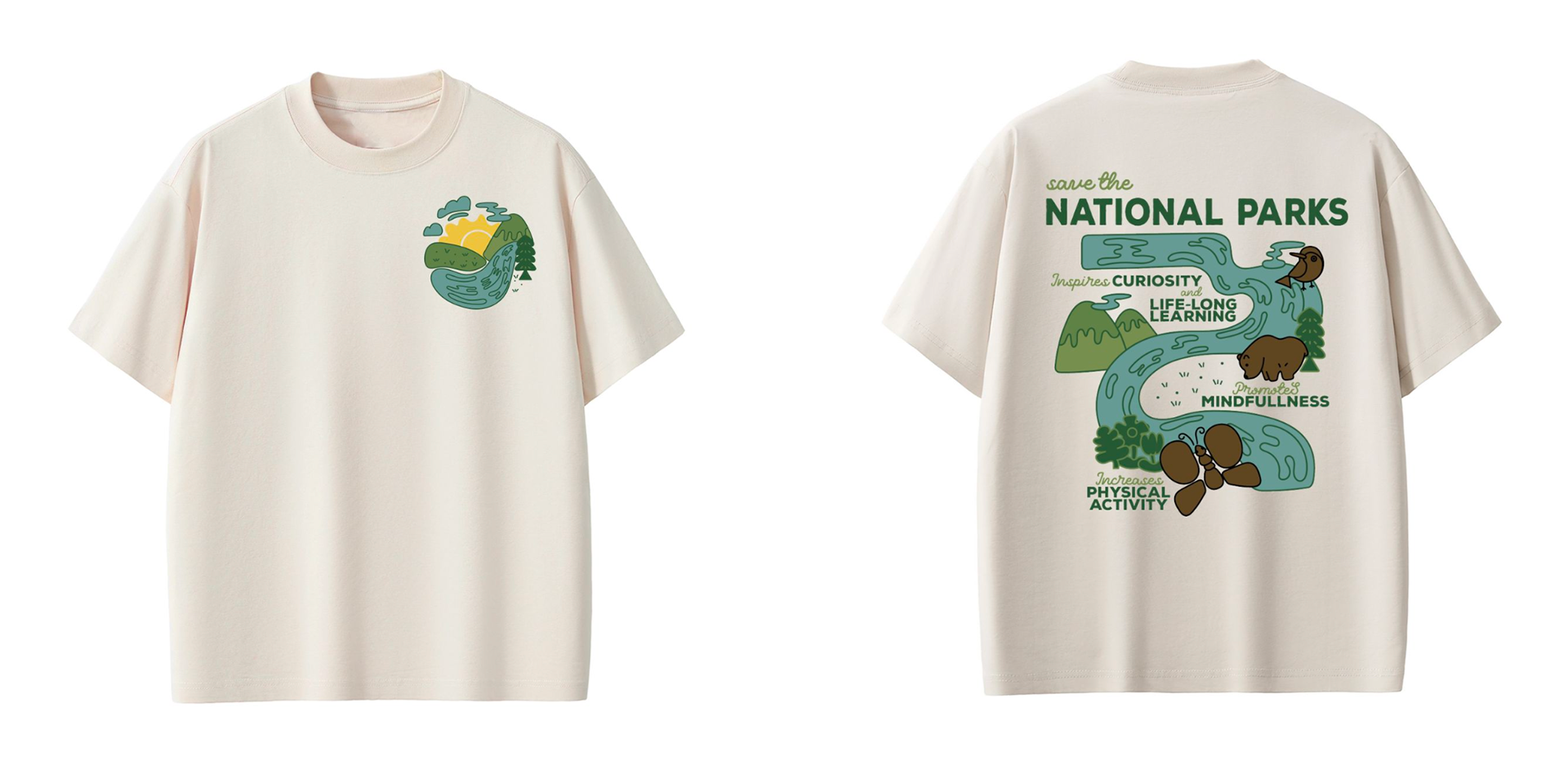
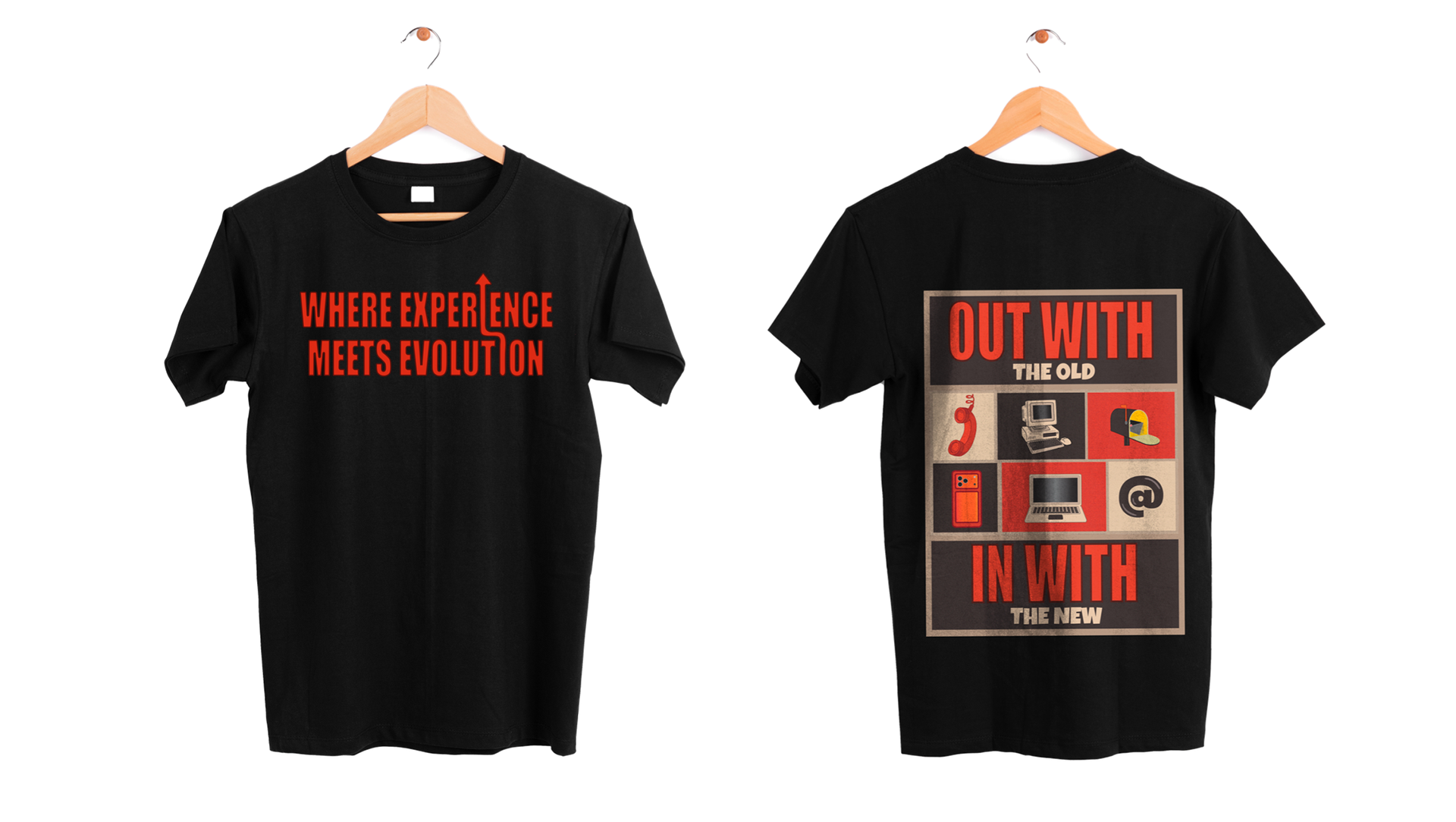
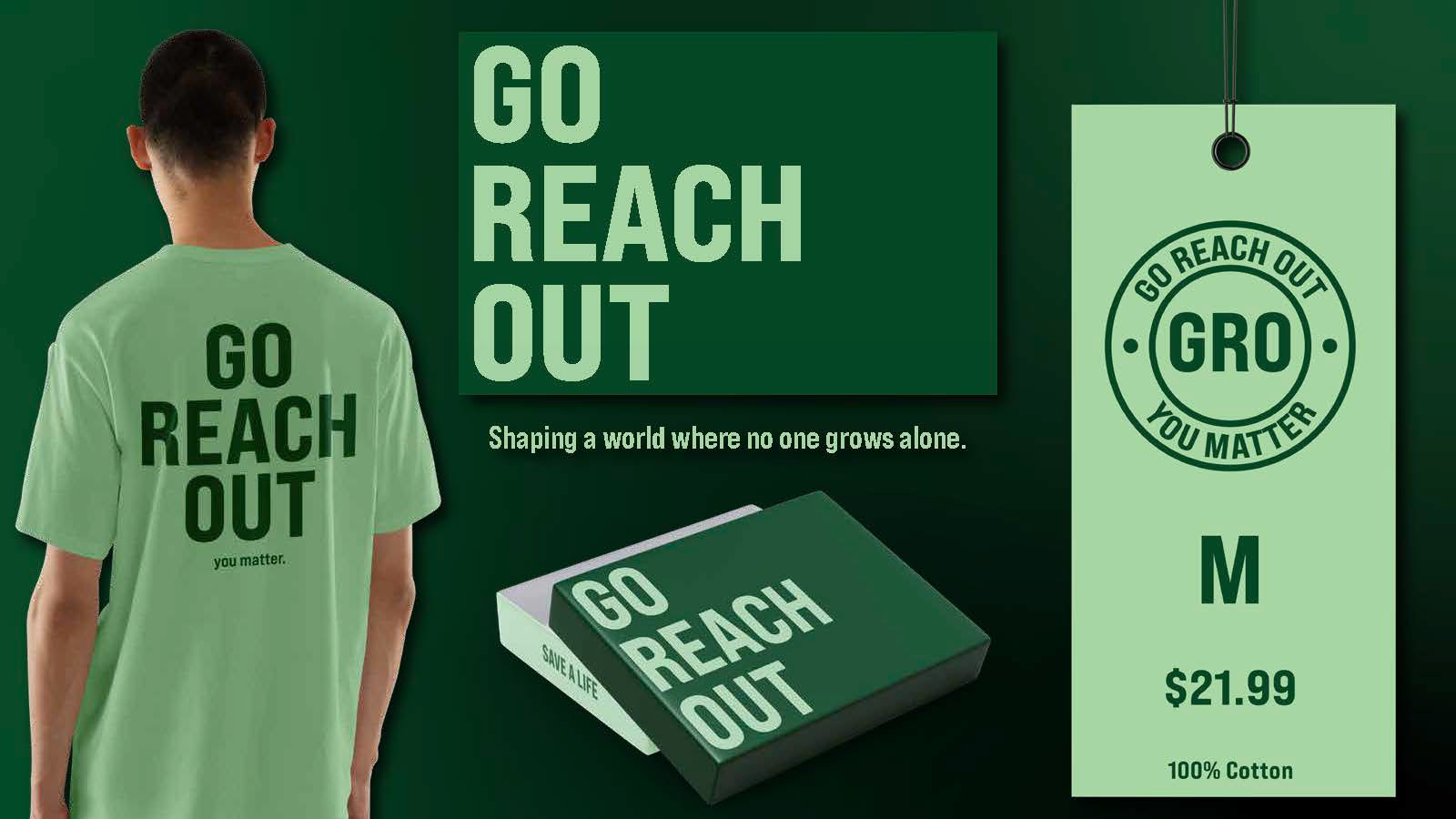
Students design the front and back of a typographic t-shirt responding to a condition of injustice they wish society to overcome in the next decade. Through research, interviews, and visual exploration, the project challenges students to translate social issues into clear, compelling graphic statements.
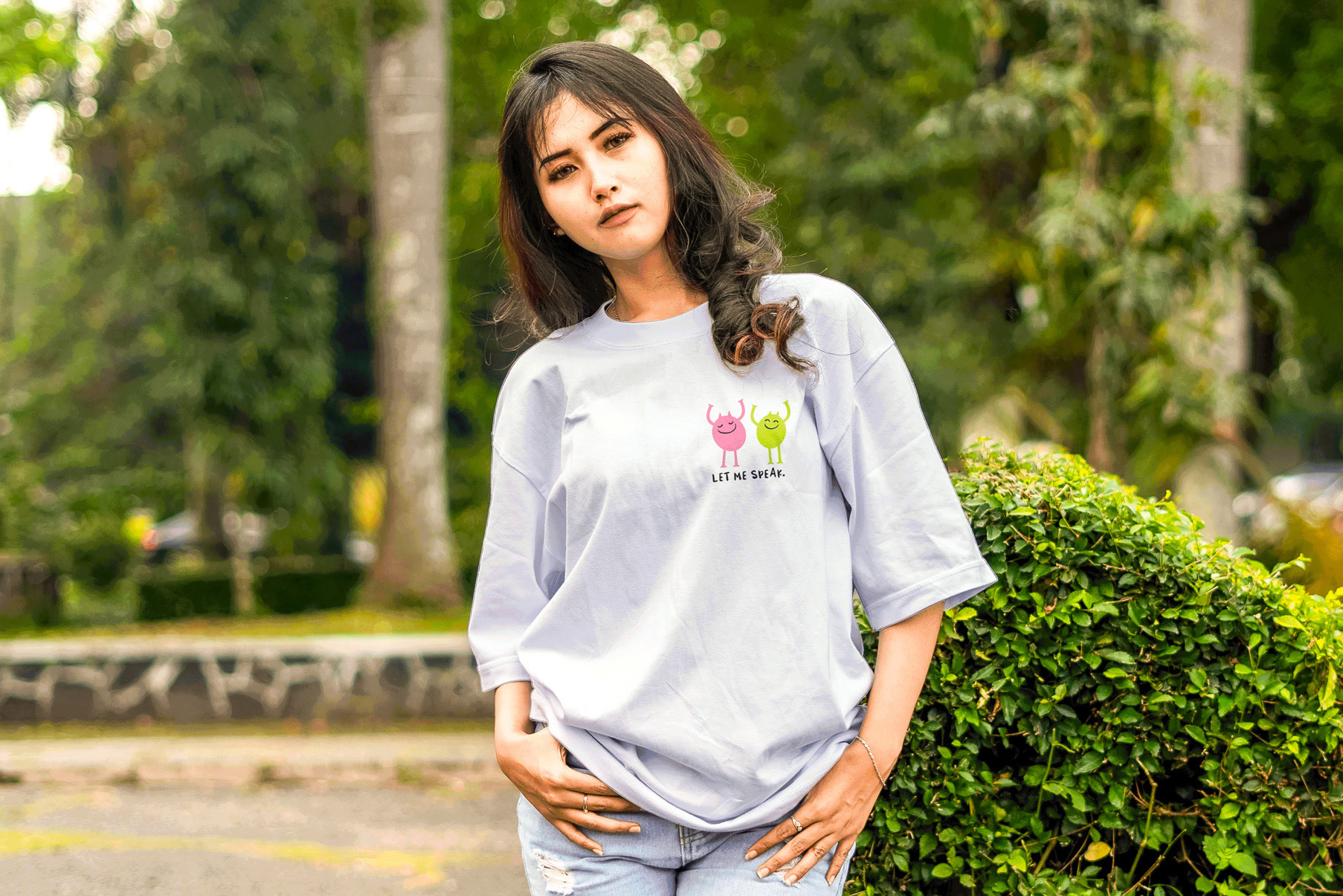
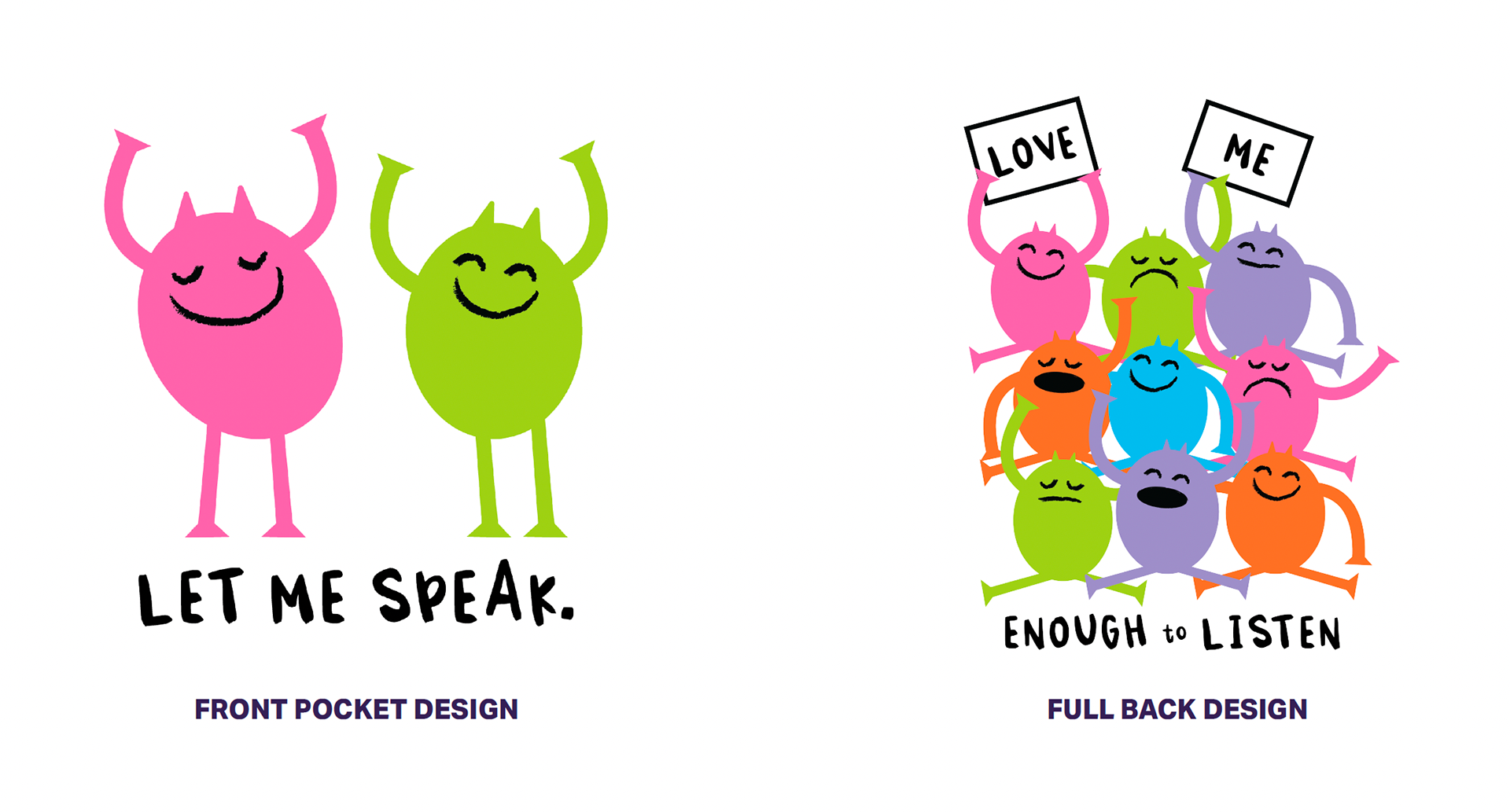
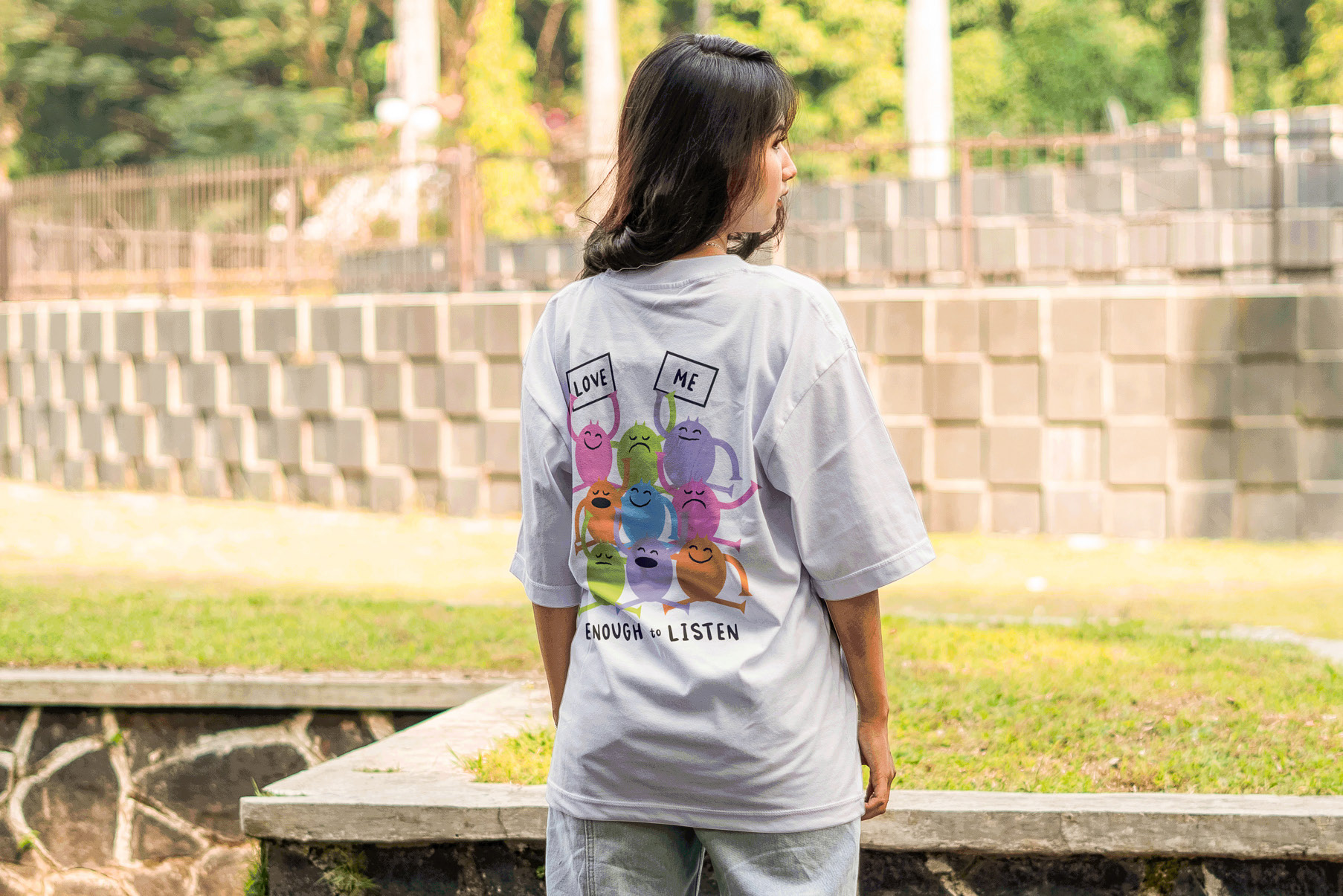
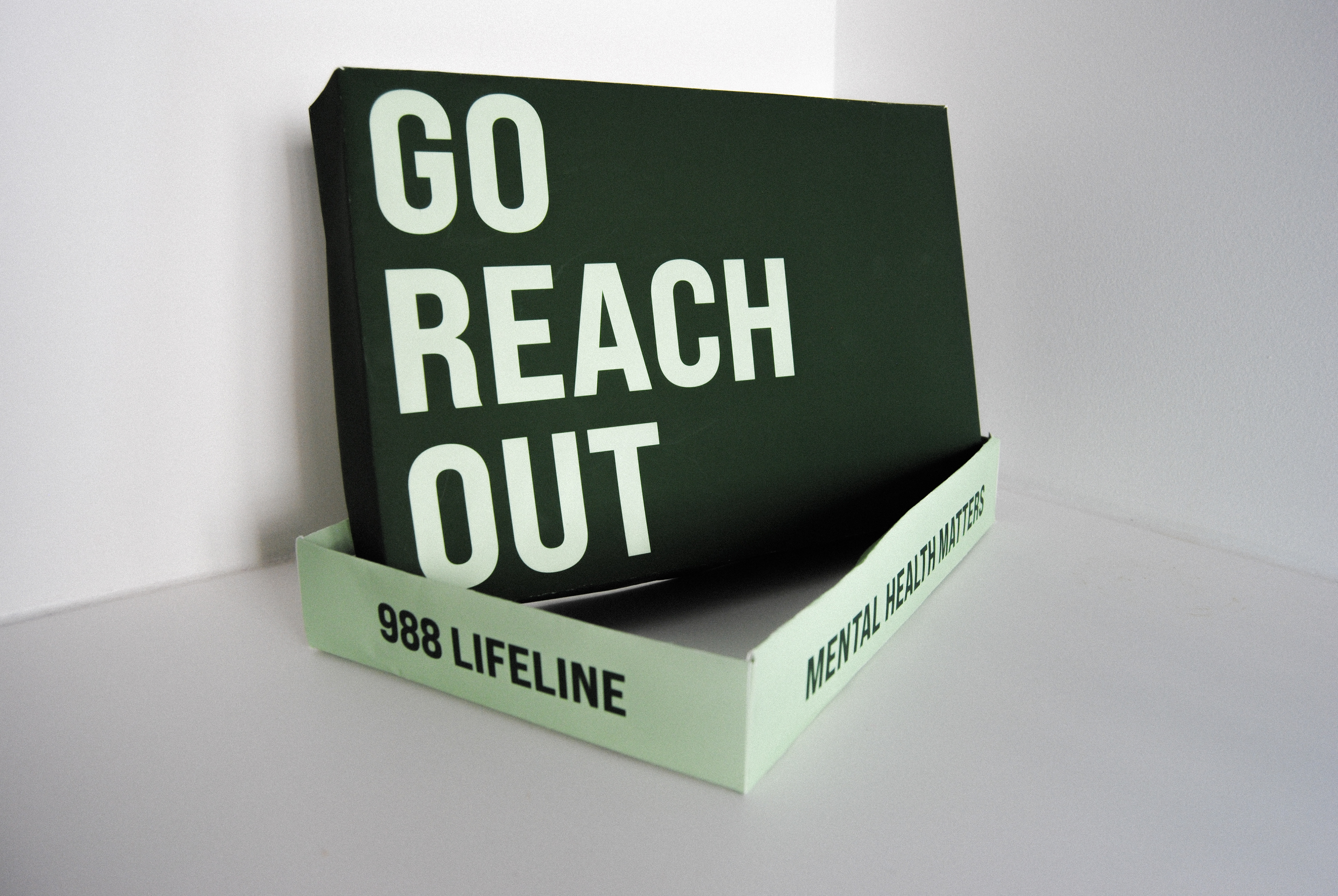
"Advocate for a future where mental health is understood, respected, and safe to talk about, where everyone has access to support and can be honest about their struggles, even in environments that currently silence them."
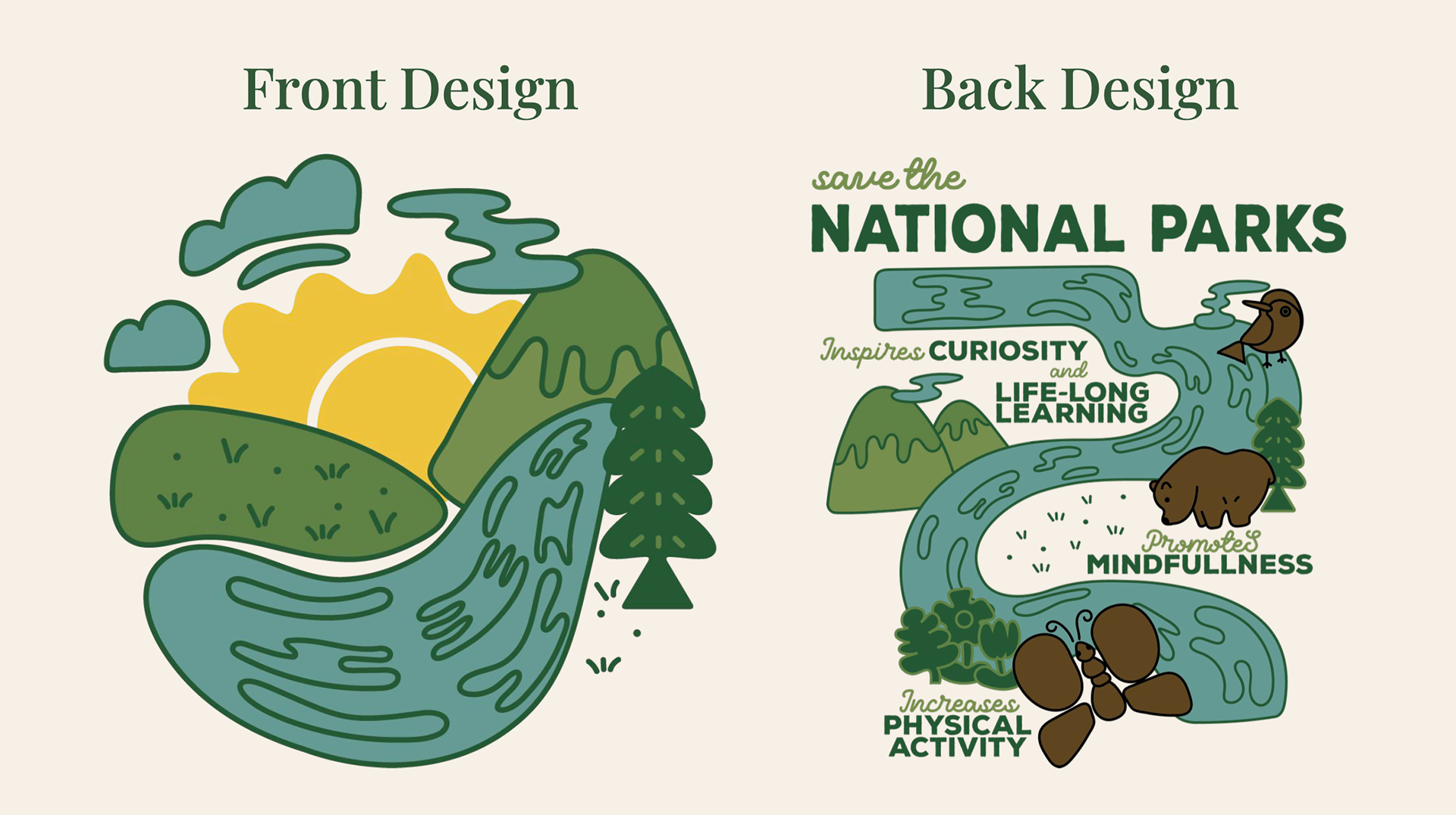
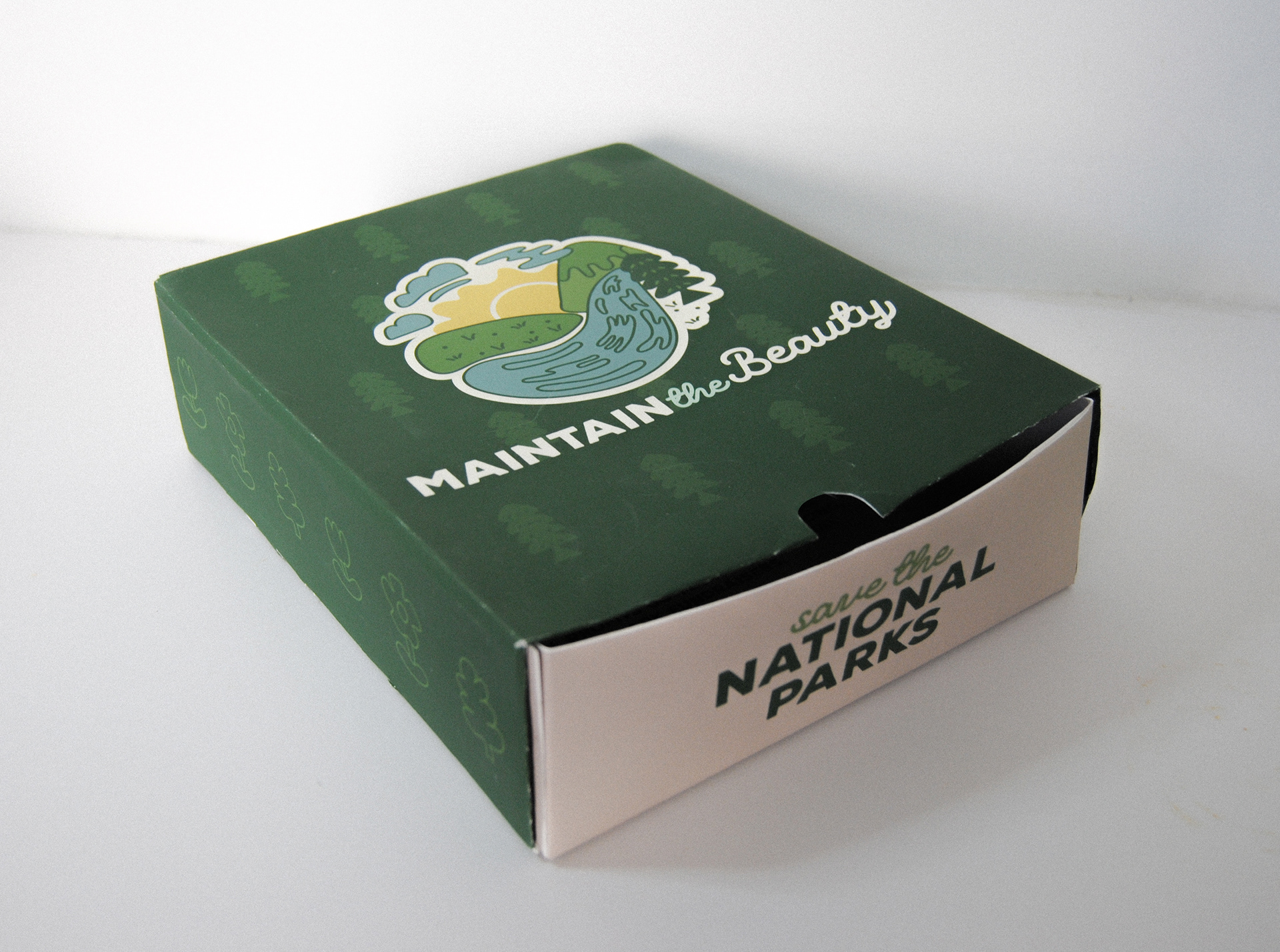
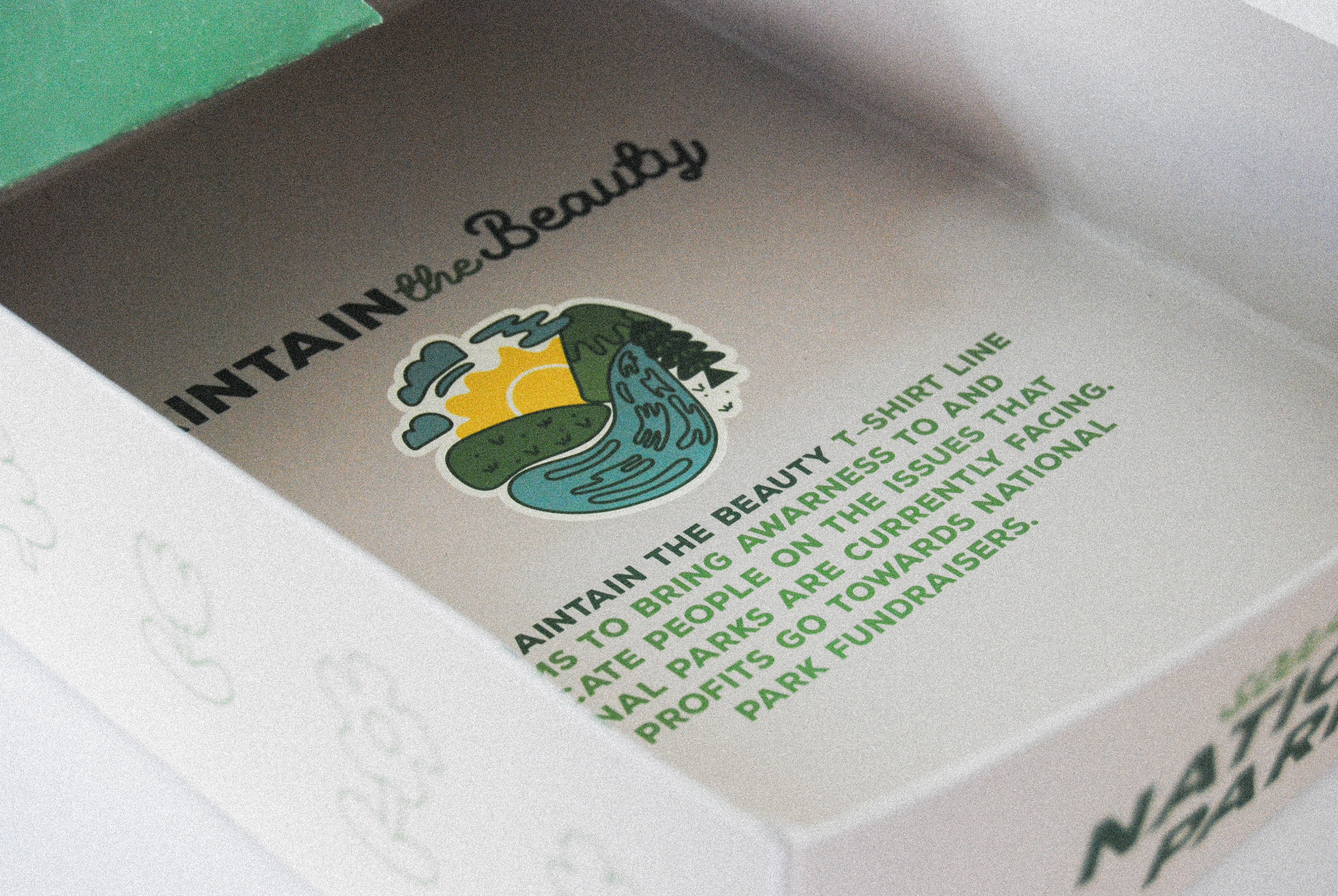
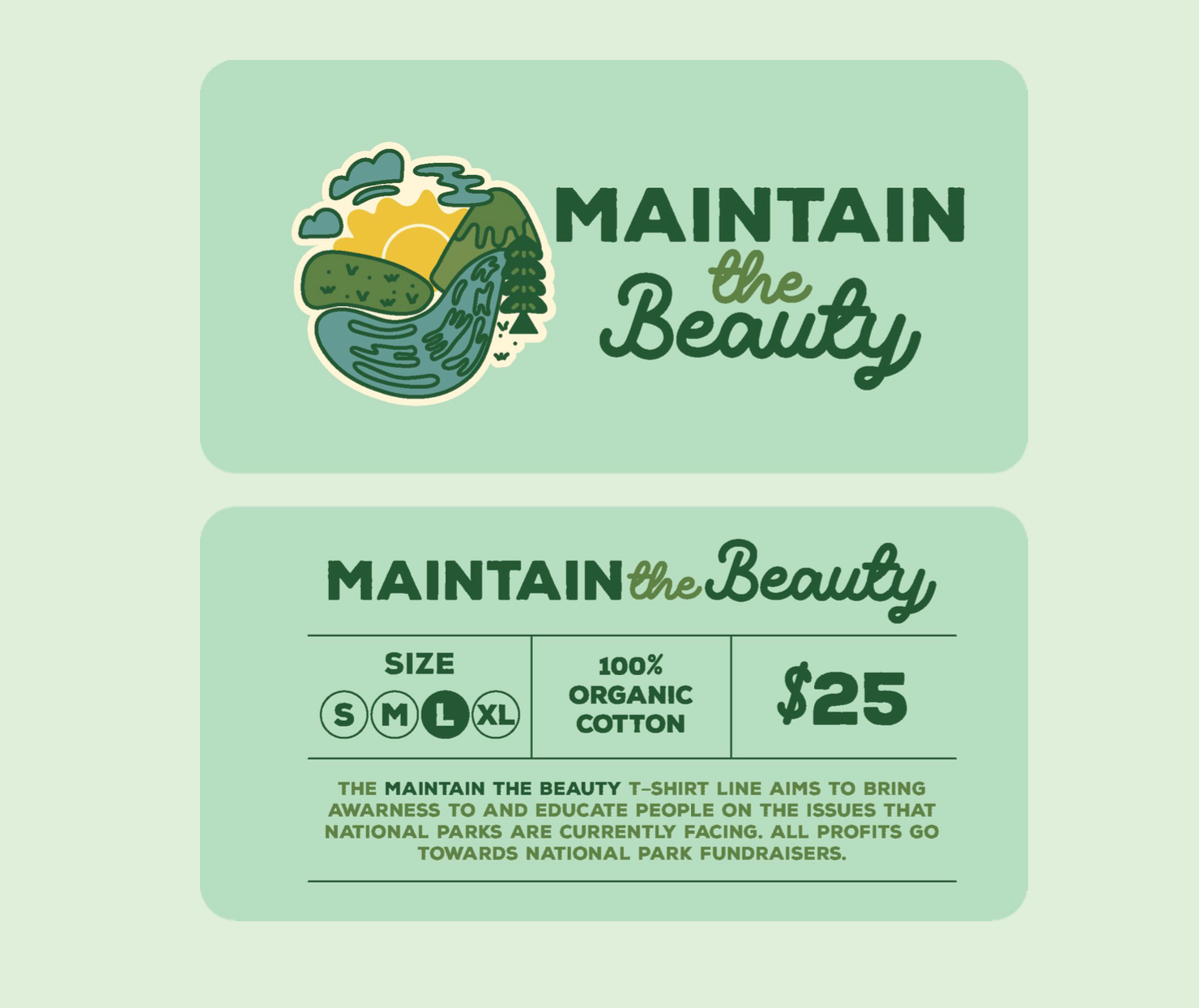
"In the next century, I want society to achieve a bigger audience for national parks that know the benefits of them, as well as proper funding and staffing to help maintain the beauty of these parks."
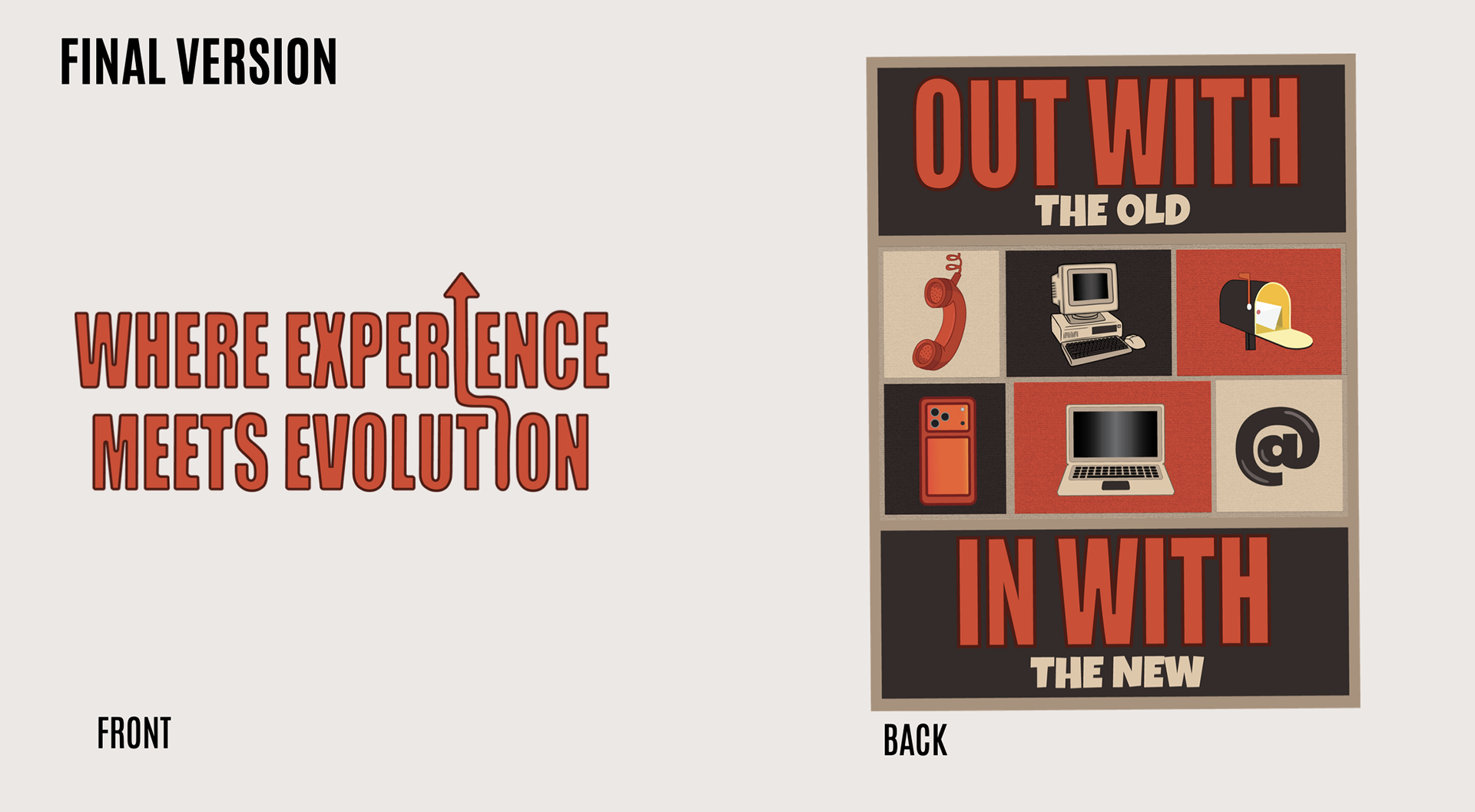
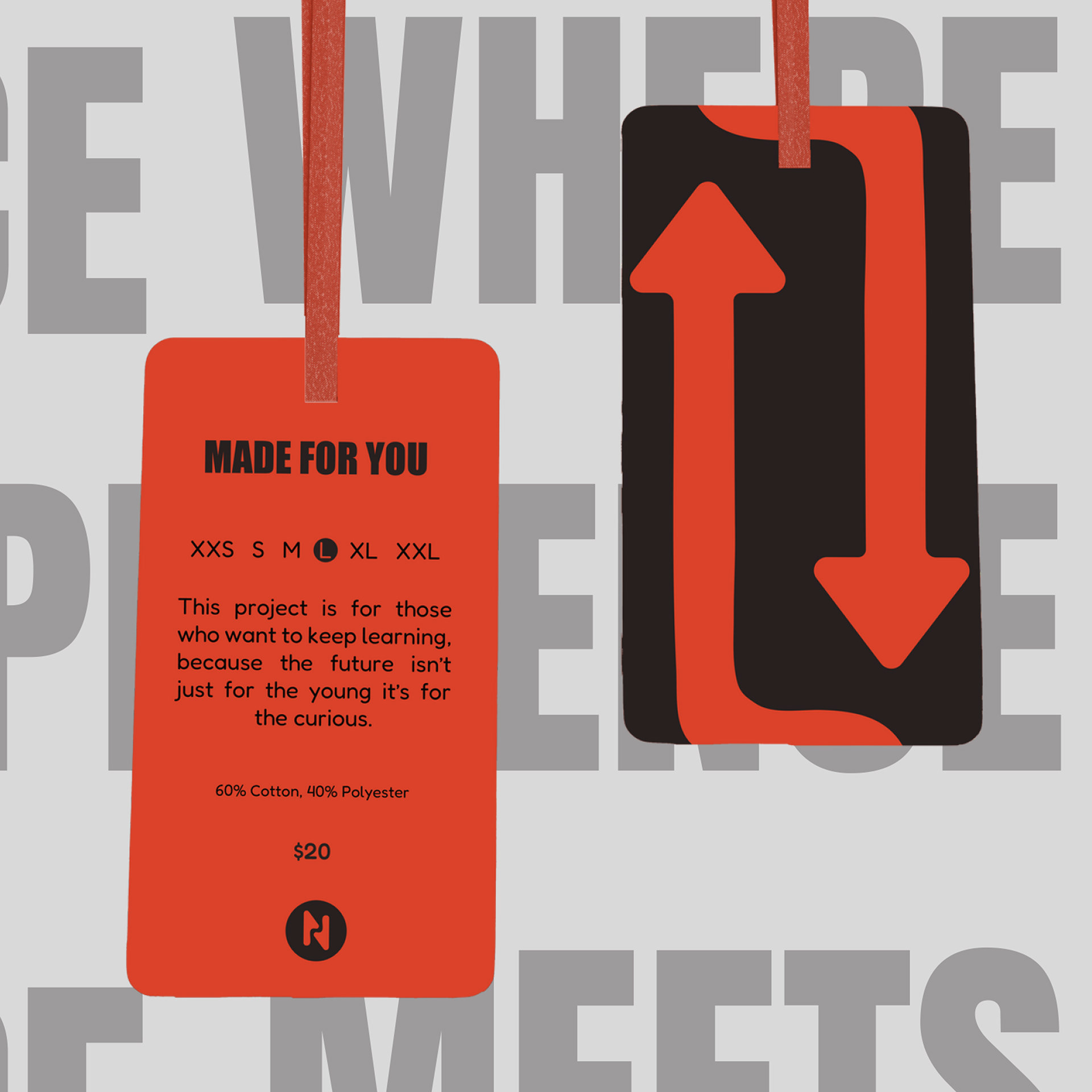
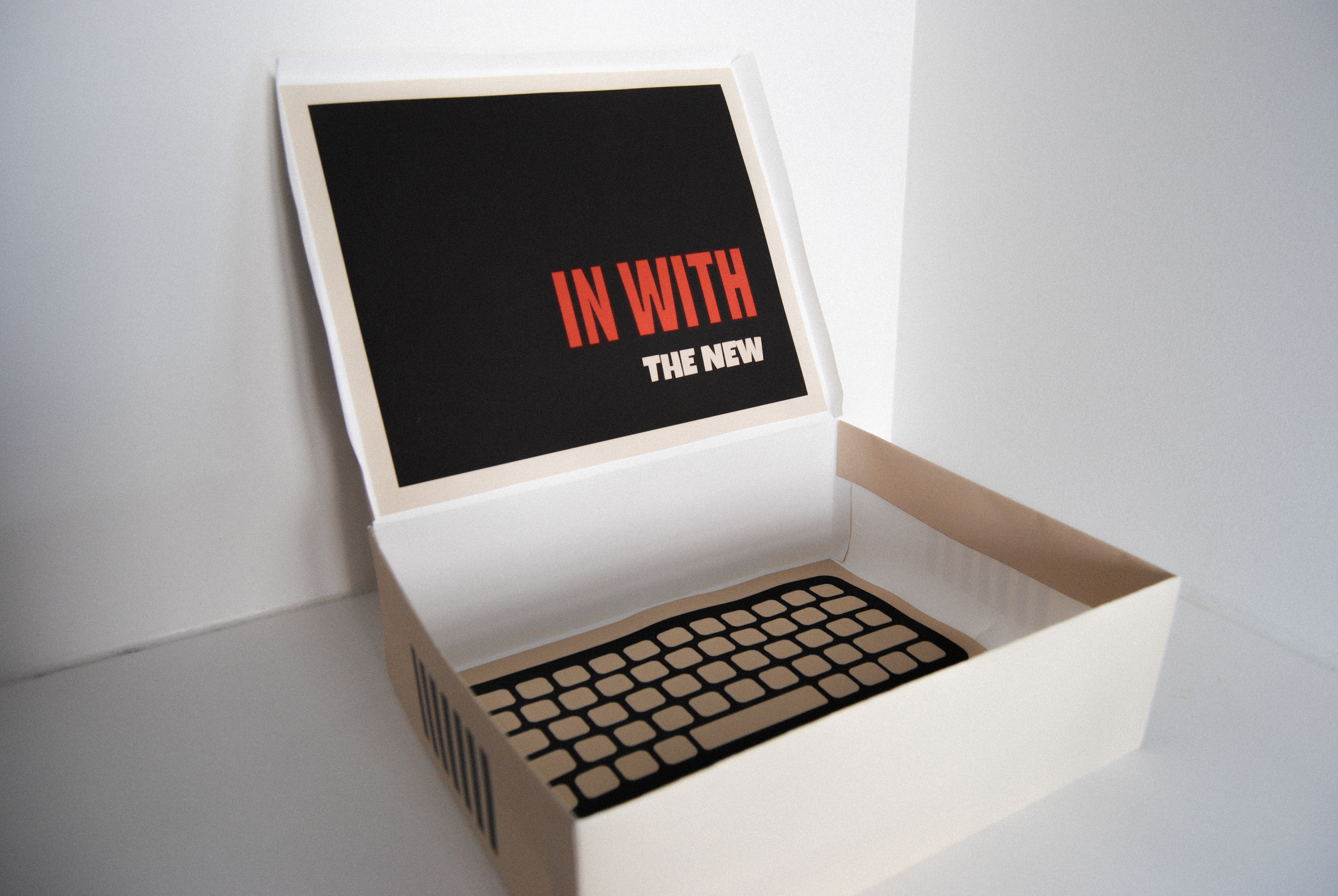
"I wish to achieve inclusivity as a society in the next decade. Exclusion is seen constantly in society, especially towards minorities. One of the problematics I was able to find is that with the new advances in technology, the traditional methods elder people are used to are being overpowered which causes them to be excluded in new designs."
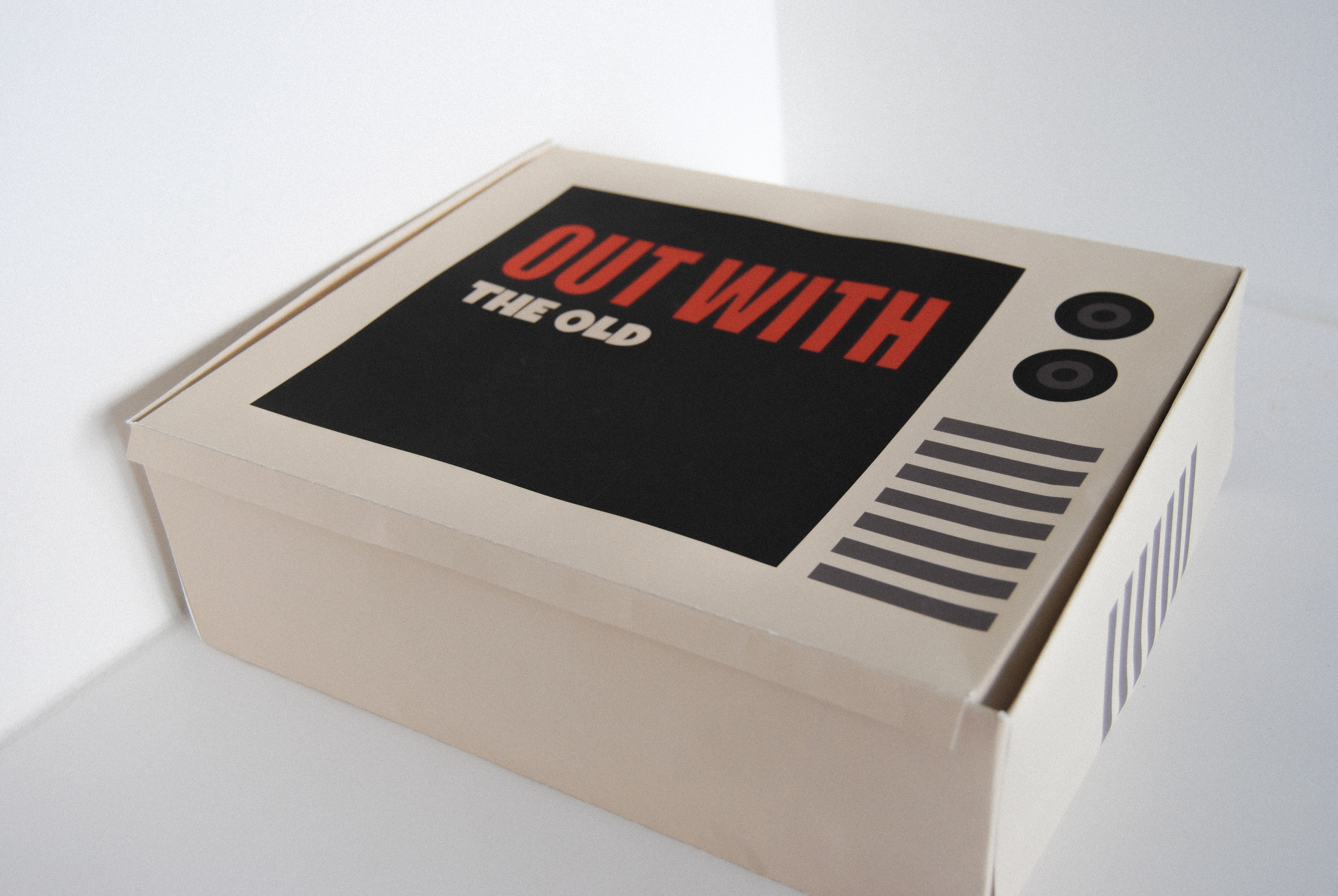
Packaging
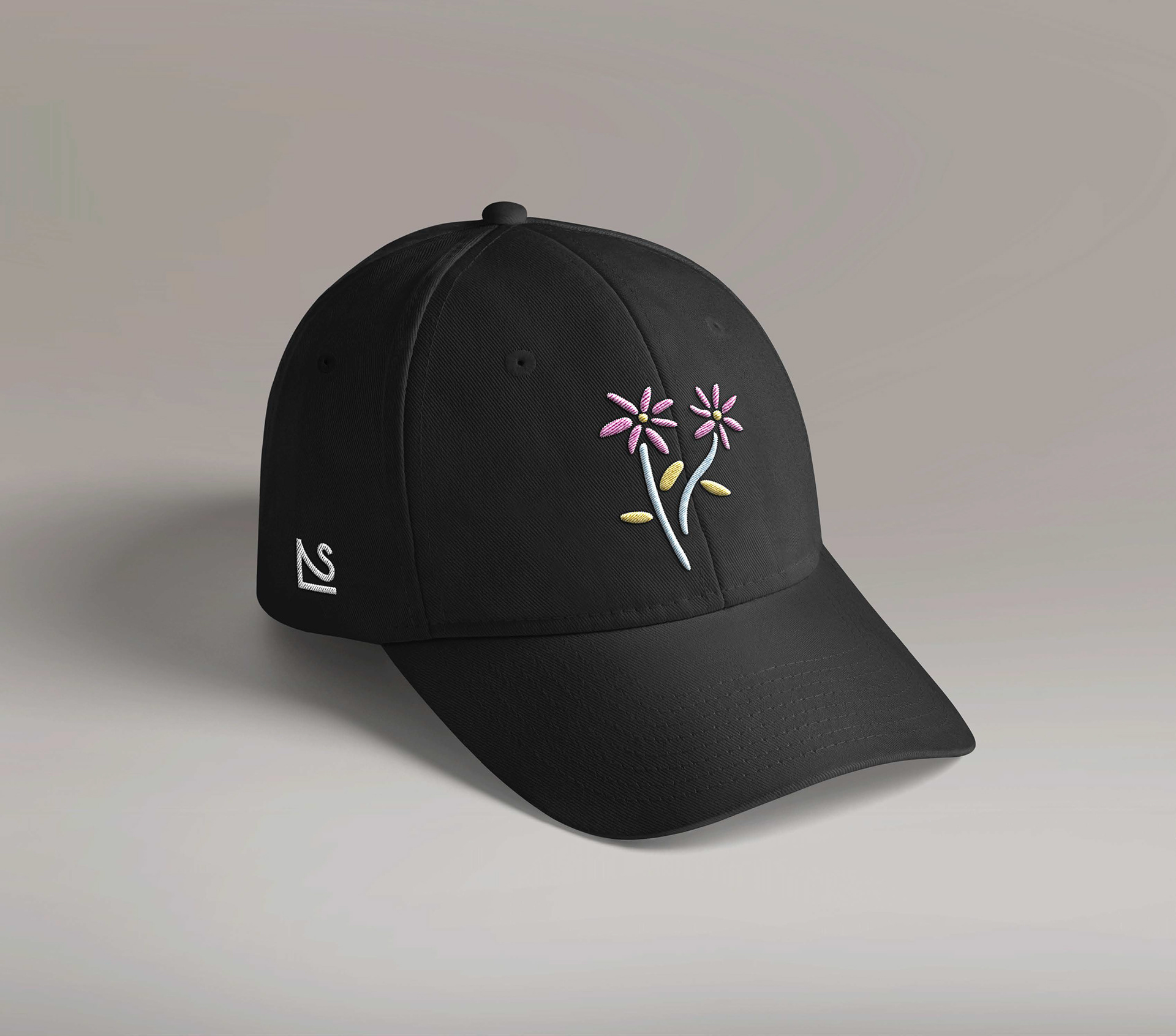
Building on the t-shirt design, students develop a name, logo, and packaging system that defines the identity of a justice-driven apparel line. The project focuses on brand storytelling, material choice, and user experience, resulting in a physical packaging prototype.
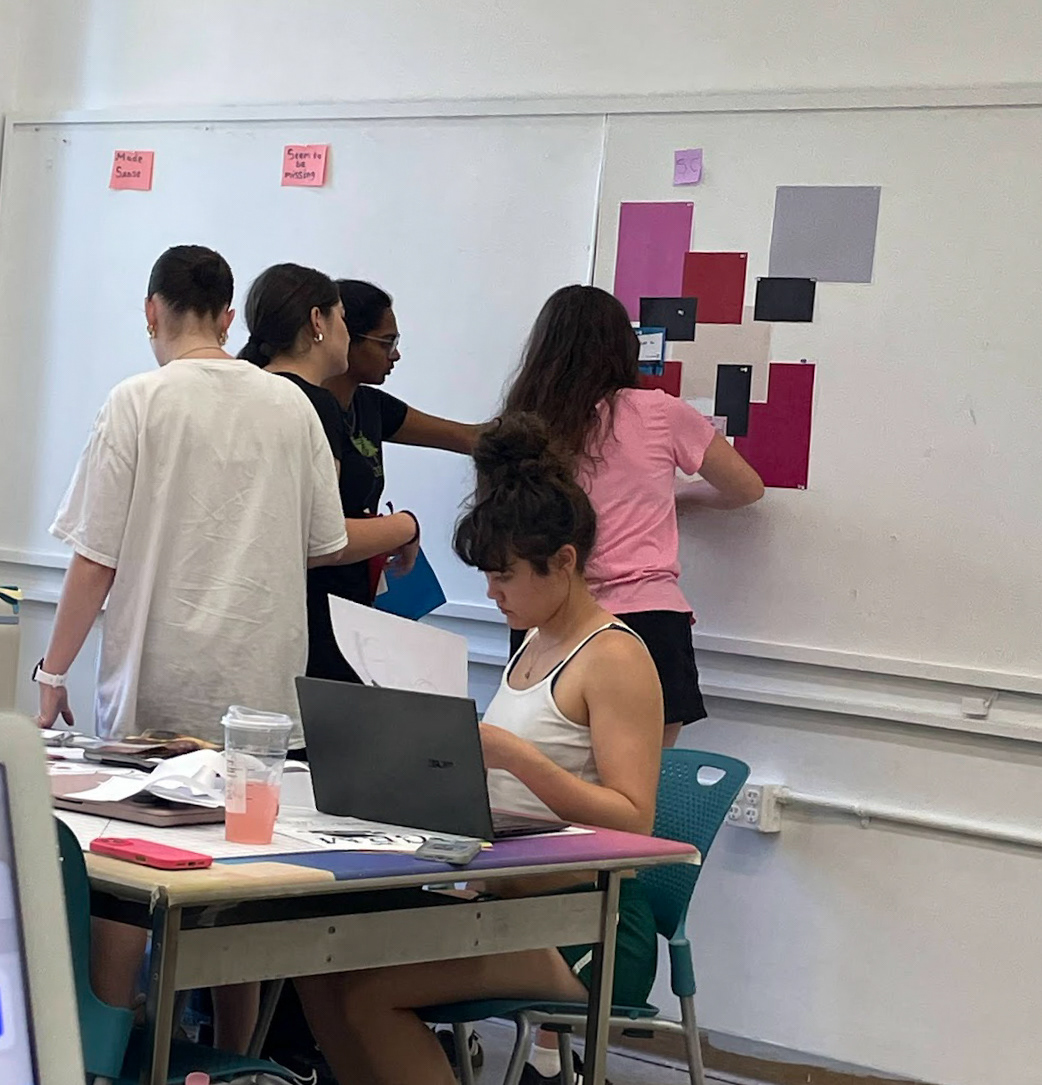
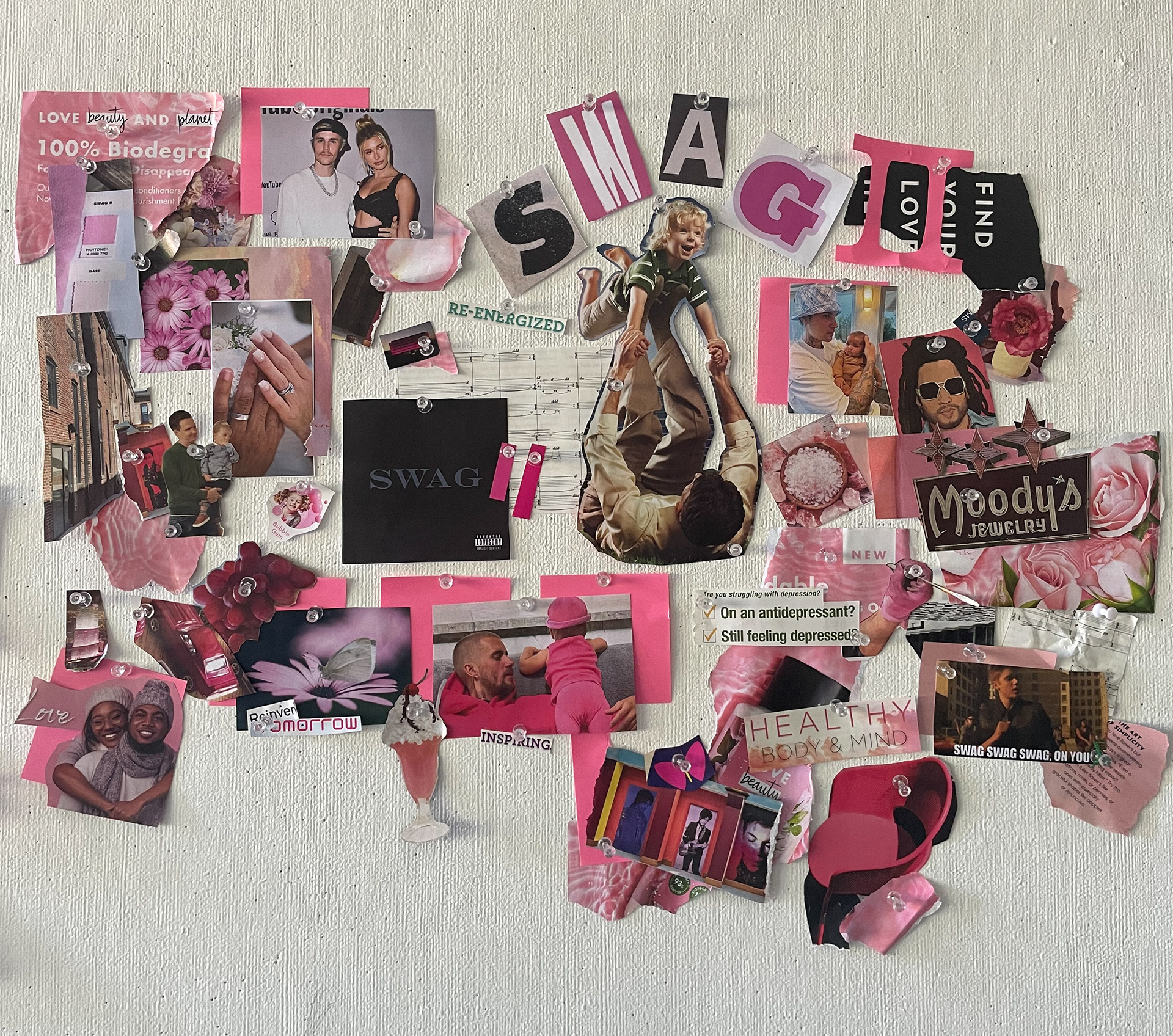
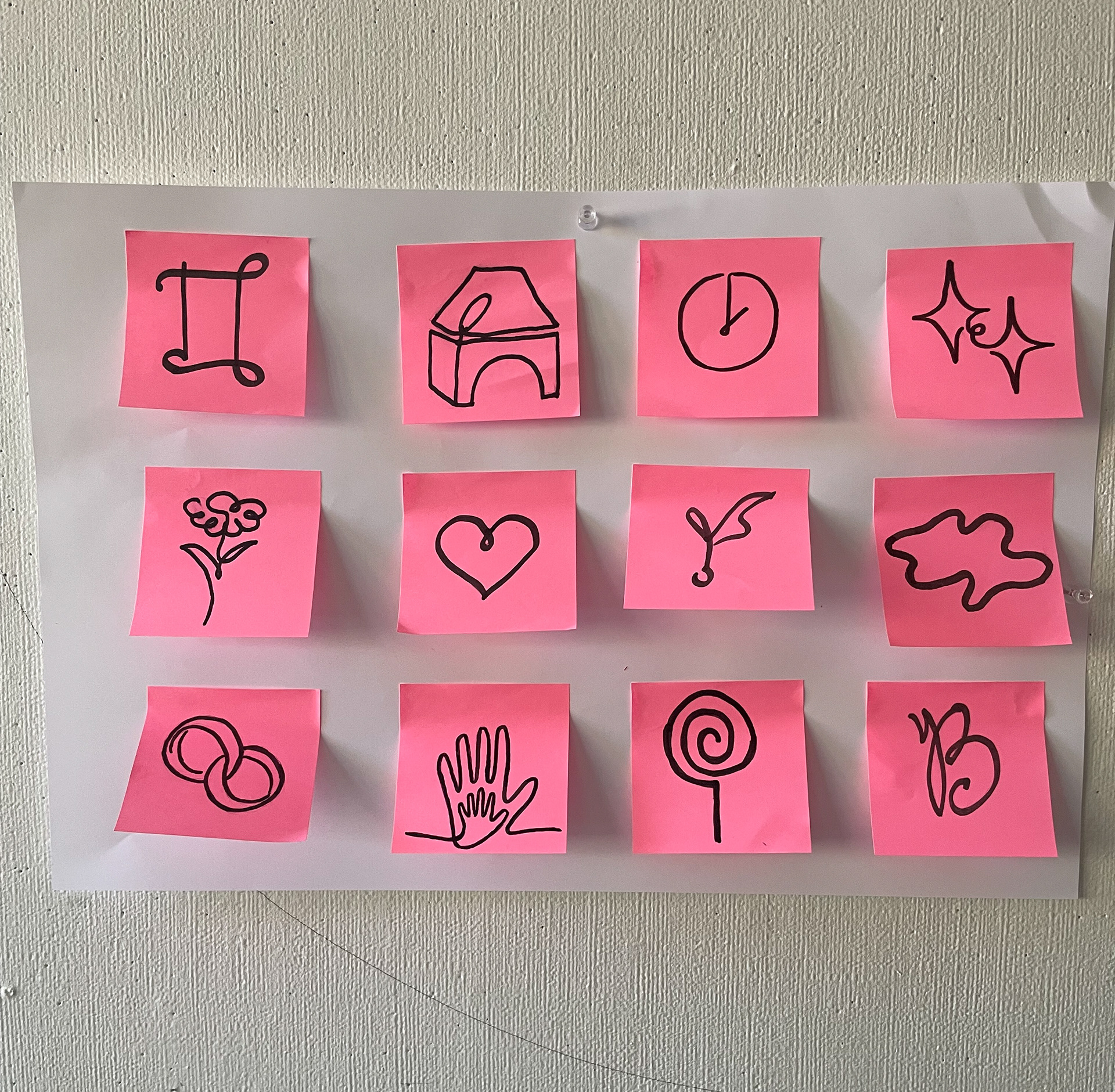
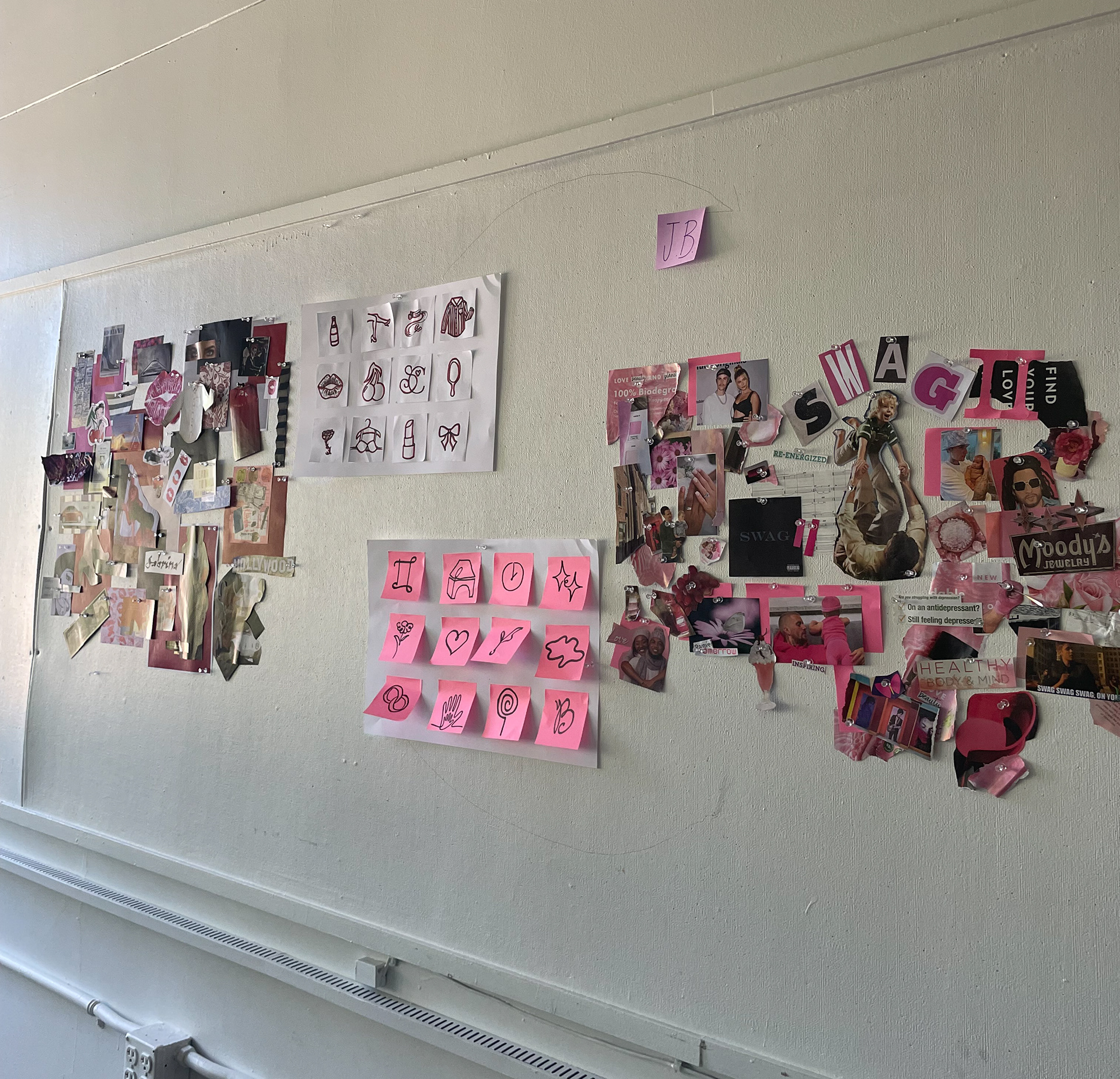
Co-designing moodboard and icons Activity
Students worked in small groups to collaboratively create a collage-based moodboard and icon sketches imagining the visual language of recently released pop albums. This hands-on exercise emphasized collaboration, negotiation, and rapid decision-making while intentionally removing digital tools to create an equitable, low-barrier design environment for first year students.